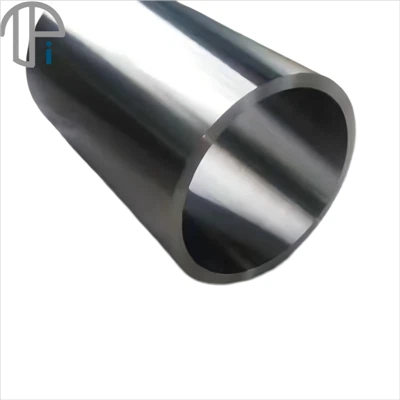
In the realm of electrolytic copper foil production, the titanium anode plays a pivotal role. As a seasoned supplier of titanium anodes for electrolytic copper foil, I’ve witnessed firsthand the challenges that can lead to anode failure. In this blog, I’ll share some insights on how to prevent such failures and ensure the smooth operation of your electrolytic copper foil production process. Titanium Anode for Electrolytic Copper Foil
Understanding the Role of Titanium Anodes in Electrolytic Copper Foil Production
Titanium anodes are crucial components in the electrolytic copper foil production process. They are responsible for facilitating the oxidation reaction at the anode, which is essential for the deposition of copper ions onto the cathode to form copper foil. A well – functioning titanium anode ensures a consistent and high – quality copper foil production.
However, several factors can contribute to the failure of titanium anodes. These include improper electrolyte composition, high current density, mechanical damage, and corrosion. By understanding these factors, we can take proactive measures to prevent anode failure.
Maintaining Proper Electrolyte Composition
The electrolyte in the electrolytic cell is a key factor in the performance of titanium anodes. An improper electrolyte composition can lead to accelerated anode corrosion and ultimately failure.
- pH Level: The pH of the electrolyte should be carefully monitored and maintained within an appropriate range. For most electrolytic copper foil production processes, a slightly acidic pH is preferred. A pH that is too high or too low can cause the anode coating to degrade, leading to reduced anode performance. Regularly test the pH of the electrolyte and adjust it as necessary using appropriate chemicals.
- Impurity Levels: Impurities in the electrolyte can also have a negative impact on the anode. Heavy metals such as iron, nickel, and lead can deposit on the anode surface, interfering with the oxidation reaction and causing uneven copper deposition. Implement a strict filtration system to remove impurities from the electrolyte and ensure its purity.
- Additive Concentration: Additives are often used in the electrolyte to improve the quality of the copper foil. However, an incorrect concentration of additives can affect the anode performance. Make sure to follow the recommended additive concentrations and regularly analyze the electrolyte to ensure that the additive levels are within the specified range.
Controlling Current Density
Current density is another critical factor that can influence the lifespan of titanium anodes. A high current density can cause overheating and excessive oxidation of the anode surface, leading to premature failure.
- Optimal Current Density Selection: Determine the optimal current density for your specific electrolytic copper foil production process. This value depends on various factors such as the anode size, electrolyte composition, and desired copper foil thickness. Consult with anode manufacturers or industry experts to find the most suitable current density for your operation.
- Uniform Current Distribution: Ensure that the current is evenly distributed across the anode surface. Non – uniform current distribution can result in localized overheating and accelerated corrosion. Use proper electrode design and electrical connections to promote uniform current flow.
Preventing Mechanical Damage
Mechanical damage to the titanium anode can occur during installation, operation, or maintenance. This can lead to the exposure of the underlying titanium substrate, which is more susceptible to corrosion.
- Careful Installation: During the installation process, handle the anode with care to avoid any physical damage. Make sure that the anode is properly aligned and secured in the electrolytic cell. Use appropriate tools and techniques to prevent scratches or dents on the anode surface.
- Regular Inspections: Conduct regular inspections of the anode to detect any signs of mechanical damage. Look for cracks, chips, or other physical defects. If any damage is found, replace the anode immediately to prevent further problems.
- Proper Maintenance: Follow the recommended maintenance procedures for the anode. This may include cleaning the anode surface periodically to remove any deposits or contaminants. Use non – abrasive cleaning agents to avoid scratching the anode coating.
Protecting Against Corrosion
Corrosion is one of the most common causes of titanium anode failure. The anode is constantly exposed to a corrosive electrolyte environment, which can gradually degrade the anode coating and the underlying titanium substrate.
- Coating Quality: Choose an anode with a high – quality coating. The coating should have good adhesion, chemical resistance, and electrical conductivity. Work with a reliable anode supplier who can provide anodes with a proven track record of corrosion resistance.
- Passivation Treatment: Some anodes may benefit from a passivation treatment. This process involves creating a thin oxide layer on the anode surface, which can enhance its corrosion resistance. Follow the manufacturer’s recommendations for passivation treatment and ensure that it is carried out correctly.
- Monitoring and Maintenance: Regularly monitor the anode for signs of corrosion. Look for changes in the anode color, surface texture, or electrical performance. If corrosion is detected, take appropriate measures such as adjusting the electrolyte composition or replacing the anode.
Training and Education
Proper training and education of the operators are essential for preventing titanium anode failure. Operators should be familiar with the operation and maintenance procedures of the anodes, as well as the factors that can affect their performance.
- Operator Training Programs: Provide comprehensive training programs for the operators. These programs should cover topics such as electrolyte management, current density control, anode installation and maintenance, and corrosion prevention.
- Knowledge Sharing: Encourage knowledge sharing among the operators. Establish a platform where operators can exchange experiences and best practices related to anode operation and maintenance.
Conclusion
Preventing the failure of titanium anodes in electrolytic copper foil production requires a comprehensive approach that addresses factors such as electrolyte composition, current density, mechanical damage, and corrosion. By implementing the strategies outlined in this blog, you can extend the lifespan of your titanium anodes, improve the quality of your copper foil production, and reduce production costs.
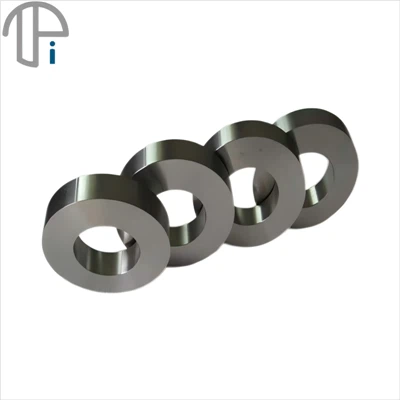
Round Titanium Bar If you are interested in learning more about our high – quality titanium anodes for electrolytic copper foil production or have any questions regarding anode failure prevention, please feel free to contact us for a procurement discussion. We are committed to providing you with the best solutions for your electrolytic copper foil production needs.
References
- Davis, J. R. (Ed.). (2000). ASM Specialty Handbook: Titanium and Titanium Alloys. ASM International.
- Pourbaix, M. (1974). Atlas of Electrochemical Equilibria in Aqueous Solutions. National Association of Corrosion Engineers.
- Uhlig, H. H., & Revie, R. W. (1985). Corrosion and Corrosion Control: An Introduction to Corrosion Science and Engineering. Wiley – Interscience.
Baoji Top Titanium Industry Co., Ltd.
As one of the most professional titanium anode for electrolytic copper foil manufacturers and suppliers in China, we’re featured by quality products and good price. Please rest assured to buy bulk titanium anode for electrolytic copper foil in stock here and get quotation from our factory. Customized orders are welcome.
Address: No. 2, South Section Of Phoenix 2nd Road,High-Tech Zone, Baoji,Shaanxi, China (Mainland)
E-mail: sales@bjtopti.com
WebSite: https://www.china-topti.com/
