A low – bed trailer, known in the industry for its unique design and functionality, is a specialized piece of equipment. As a low – bed trailer supplier, I often come across customers who are not only interested in the features and performance of these trailers but also in the legal regulations that govern them. Understanding these regulations is crucial for both the users and suppliers, as non – compliance can lead to serious consequences, including fines, vehicle impoundment, and even legal liabilities. Low-bed Trailer
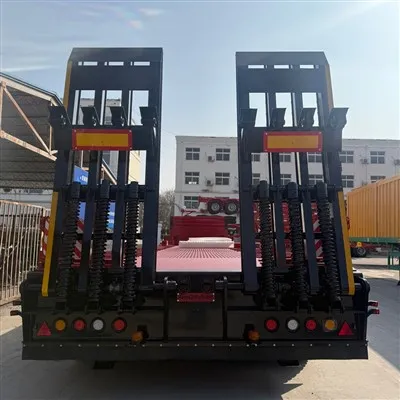
One of the primary legal aspects that need to be considered is the weight limits. Different countries and regions have specific weight restrictions for low – bed trailers. In the United States, for example, the Federal Bridge Gross Weight Formula determines the maximum weight a vehicle can carry based on the number of axles and the distance between them. This formula is designed to protect the integrity of bridges and roads. Typically, a standard tractor – trailer combination in the US has a maximum gross vehicle weight rating (GVWR) of around 80,000 pounds. However, for low – bed trailers, especially those used for transporting heavy machinery and oversized loads, special permits may be required to exceed this limit.
In the European Union, weight limits vary from country to country, but there are also common standards set at the EU level. For instance, the maximum authorized mass (MAM) for a vehicle with multiple axles is regulated to ensure road safety and prevent excessive wear and tear on infrastructure. A low – bed trailer carrying a large – scale construction machine may need to comply with more strict weight – related regulations due to its potentially high – weight load.
Another important regulation pertains to the dimensions of the low – bed trailer. Length, width, and height are all critical factors. In most countries, the maximum width of a trailer is typically around 2.55 meters. Any trailer wider than this often requires a special permit. The height is also restricted, usually to prevent collisions with over – head structures such as bridges, tunnels, and power lines. A low – bed trailer’s height is a unique consideration as it is designed to be lower to the ground to transport taller loads. However, even with this design feature, the overall height of the trailer plus the load it is carrying still has to meet the legal requirements.
Length restrictions are also essential. In some areas, trailers are limited to a certain overall length, often around 16.5 to 18.75 meters. For long – haul transportation and when dealing with oversized equipment, obtaining a permit for extended length is a common practice. These permits usually come with additional conditions, such as specific travel routes, escort vehicles, and restricted travel times.
Safety regulations are perhaps the most critical part of the legal framework for low – bed trailers. Braking systems are rigorously regulated. A low – bed trailer must be equipped with an effective braking system that can bring the loaded trailer to a stop within a specified distance. This is to prevent accidents, especially when the trailer is carrying heavy loads that require more force to decelerate.
Lighting and signaling are other vital safety aspects. Trailers must have proper lights, including brake lights, turn signals, and marker lights. These lights ensure that the trailer is visible to other road users, especially in low – light conditions. Reflective tapes are also often required to enhance visibility. Additionally, low – bed trailers should have appropriate safety devices such as chains, ropes, and brackets for securing the load. Ensuring that the load is properly fastened is not only a matter of legal compliance but also a crucial safety measure to prevent the load from shifting during transit, which could lead to a dangerous situation on the road.
Registration and licensing are also part of the legal requirements. In most jurisdictions, low – bed trailers need to be registered with the relevant transportation authorities. This process usually involves providing details about the trailer, such as its make, model, weight, and dimensions. A license plate must be displayed on the trailer, and it should be renewed regularly.
Insurance is another important consideration. Low – bed trailers, especially those used for commercial purposes, require adequate insurance coverage. This insurance should cover potential damages to the trailer itself, the load it is carrying, and any third – party liabilities. For example, if a low – bed trailer causes an accident on the road, the insurance should cover the costs of property damage and personal injury to other parties involved.
When it comes to transporting special or hazardous materials on a low – bed trailer, there are additional regulations. For instance, transporting chemicals, explosives, or radioactive materials requires strict compliance with safety and environmental regulations. These materials may need to be stored in special containers, and the trailer may need to be equipped with specific safety features to prevent leaks or spills.
As a low – bed trailer supplier, I understand the challenges that customers face in navigating these complex legal regulations. That’s why we work closely with our clients to provide them with trailers that meet all the necessary legal requirements. We also offer guidance on the permitting process and any special considerations for transporting different types of loads.
Choosing a reliable low – bed trailer supplier is essential. A good supplier should have in – depth knowledge of the legal regulations in different regions and be able to customize trailers according to the specific needs of the customers. They should also be able to provide after – sales support, including maintenance and repair services, to ensure that the trailers remain in compliance with the law over time.
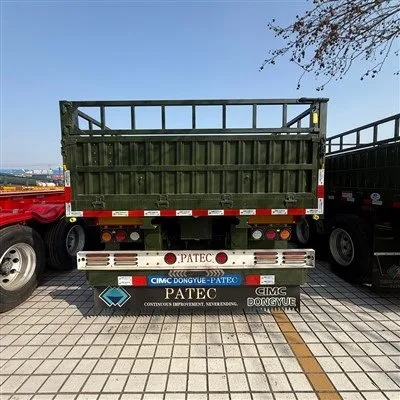
We are committed to providing high – quality low – bed trailers that not only meet the highest standards of performance but also fully comply with all relevant legal regulations. If you are in the market for a low – bed trailer, whether for transporting construction equipment, heavy machinery, or oversized loads, we encourage you to reach out to us. Our team of experts is ready to assist you in finding the perfect trailer for your specific requirements and to guide you through the process of ensuring legal compliance. Contact us to start a discussion about your low – bed trailer needs and let’s work together to find the best solution for your business.
Trucks References
- Federal Motor Carrier Safety Administration (FMCSA), United States Department of Transportation.
- European Union Transport Regulations Handbook.
- National Transport Safety Boards of various countries for safety – related regulations.
Shandong Huayuanda Automobile Manufacturing Co., Ltd.
As one of the most experienced low-bed trailer manufacturers and suppliers in China, our products have good reputation in the market. We warmly welcome you to buy high quality low-bed trailer at low price from our factory. If you have any enquiry about cooperation, please feel free to email us.
Address: Industrial Park, Quanpu Town, Liangshan County, Jining City, Shandong Province
E-mail: Huayuanda2024@163.com
WebSite: https://www.hydtrailer.com/
