Can I use a SCSI cable for a printer?
In the complex world of computer hardware connectivity, the question of whether one can use a SCSI (Small Computer System Interface) cable for a printer is both relevant and often a source of confusion. As a SCSI cable supplier, I’ve encountered numerous customers asking this question, and in this blog, I’ll dive deep into the topic to provide a comprehensive answer. SCSI Cable
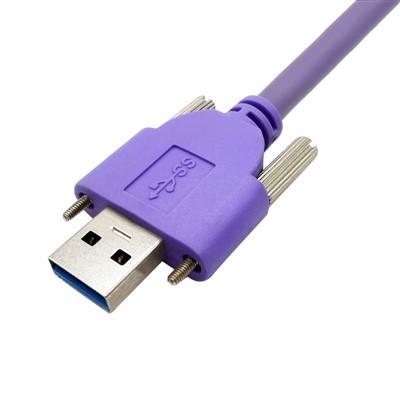
Understanding SCSI Cables
First, let’s understand what SCSI cables are. SCSI is a set of standards for physically connecting and transferring data between computers and peripheral devices. SCSI cables are designed to support high – speed data transfer and are commonly used in environments where large amounts of data need to be moved quickly. They come in different types, such as Single – Ended (SE) and Differential (DE), and various pin configurations like 50 – pin, 68 – pin, and 80 – pin, each serving different purposes and being compatible with specific devices.
Compatibility with Printers
The short answer to whether you can use a SCSI cable for a printer is: it depends. Historically, a significant number of business – grade and high – performance printers supported SCSI connections. In the era when SCSI was a popular interface for storage devices and high – end peripherals, printers were often equipped with SCSI ports. These printers were typically used in corporate settings where fast printing speeds and large – volume printing were required.
For example, many laser printers from well – known manufacturers in the 1990s and early 2000s came with SCSI interfaces. These printers could benefit from the high – speed data transfer capabilities of SCSI cables, allowing them to receive print jobs quickly and print at a faster rate compared to printers connected via slower interfaces like parallel ports.
However, in recent years, the landscape has changed dramatically. The emergence of new and more convenient interfaces such as USB, Ethernet, and Wi – Fi has significantly reduced the prevalence of SCSI ports on printers. Most modern printers, especially consumer – grade models, no longer come with SCSI ports. This means that unless you have an older, legacy printer with a SCSI interface, it is highly unlikely that you can use a SCSI cable to connect a printer to your computer.
Advantages of Using SCSI for Printers (When Compatible)
If you do have a printer that supports SCSI connections, there are several advantages to using a SCSI cable.
High – Speed Data Transfer: SCSI cables are capable of transferring data at relatively high speeds. This is particularly beneficial for printers that need to handle large print jobs, such as high – resolution image prints or large documents. With a SCSI connection, the printer can receive the print data quickly, reducing the overall print time.
Reliability: SCSI has a reputation for being a reliable interface. It uses a bus architecture that allows multiple devices to be connected to a single SCSI controller. This means that in a multi – device environment, the SCSI connection can maintain stable data transfer, ensuring that the printer receives the correct data for accurate printing.
Longer Cable Lengths: Compared to some other interfaces, SCSI cables can be longer without significant signal degradation. This provides more flexibility in the layout of your office or workspace, allowing you to place the printer at a reasonable distance from the computer.
Limitations of Using SCSI Cables for Printers
Despite its advantages, there are also several limitations to using SCSI cables for printers, especially in the modern context.
Obsolete Technology: As mentioned earlier, SCSI is an older technology. Most new printers do not support SCSI connections, and many computer motherboards no longer come with SCSI controllers. This makes it difficult to find compatible hardware in the market.
Complexity: SCSI systems can be more complex to set up and configure compared to modern interfaces. There are issues such as SCSI IDs, termination, and cable management that need to be carefully addressed. Incorrect configuration can lead to data transfer errors and printer malfunctions.
Alternatives to SCSI for Printer Connectivity
Given the limitations of SCSI, most users today turn to alternative methods to connect their printers.
USB: USB is by far the most common interface for connecting printers to computers. It is simple, easy to use, and almost all modern printers support USB connections. USB also offers a decent data transfer speed, making it suitable for most printing needs.
Ethernet: Ethernet is another popular option, especially for networked printers. Printers with Ethernet ports can be connected to a local area network (LAN), allowing multiple computers on the network to access the printer. This is ideal for office environments where shared printing is required.
Wi – Fi: Wireless printing has become increasingly popular in recent years. Wi – Fi – enabled printers allow users to print from their computers, smartphones, and tablets without the need for physical cables. This provides a high level of convenience, especially in mobile – friendly workplaces.
Case for SCSI Cable Adoption in Specific Scenarios
Although SCSI might seem like an outdated technology, there are still niche scenarios where using a SCSI cable for a printer can be a viable option. Some industries, such as graphic design studios or certain types of research institutions, may still have legacy printers that are well – suited for their specific printing needs. These printers may be high – end models with advanced features that are no longer available in modern printers.
For example, some legacy large – format printers used in architectural or engineering firms may have SCSI interfaces. These printers are designed to produce large – scale prints with high precision, and replacing them with modern printers may not be cost – effective or may not meet the exact requirements of the users. In such cases, using a SCSI cable to connect these printers to older or specially configured computers can still be a practical solution.
Our Role as a SCSI Cable Supplier
As a SCSI cable supplier, we understand the unique needs of our customers. We offer a wide range of SCSI cables, including different lengths, pin configurations, and types. Our cables are manufactured to high – quality standards, ensuring reliable data transfer and long – term durability.
We also provide technical support to our customers. Whether you are unsure about which SCSI cable is suitable for your printer or need help with the installation and configuration process, our team of experts is ready to assist you. We can offer advice on SCSI IDs, termination, and other technical aspects to ensure that your printer functions properly when connected via a SCSI cable.
Conclusion and Call to Action
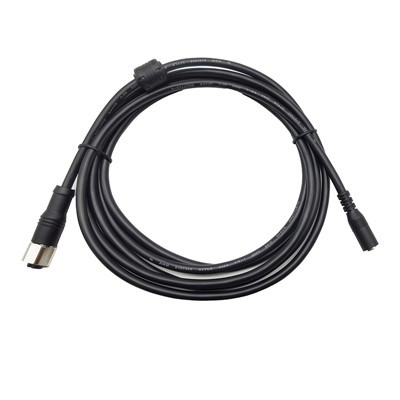
In conclusion, while the use of SCSI cables for printers has become less common in the modern era, there are still situations where it can be a viable option, especially for legacy printers. If you have a printer that supports SCSI connections or are dealing with a specific scenario where SCSI is the best choice, we are here to serve you.
USB Cable If you are interested in purchasing SCSI cables for your printer or have any questions about SCSI cable compatibility and usage, we encourage you to reach out to us. Our team is eager to discuss your requirements and find the best SCSI cable solutions for your needs. Contact us to start a procurement discussion, and let us help you ensure seamless connectivity for your printing devices.
References
- "SCSI: The Complete Reference" by George S. Taniar
- "Computer Hardware and Software: An Introduction" by John R. Hubbard.
Karobert Technology LLC Karobert Trading PTE. LTD.
We’re known as one of the most professional scsi cable manufacturers and suppliers in China, also support customized service. Please feel free to buy high quality scsi cable made in China here from our factory. For price consultation, contact us.
Address: 6250 S 196th St, Kent, WA, 98055, USA.
E-mail: karl@karobert-us.com
WebSite: https://www.karobert-us.com/
