Can cut resistant fabric be used in the textile industry? Cut Resistant Fabric
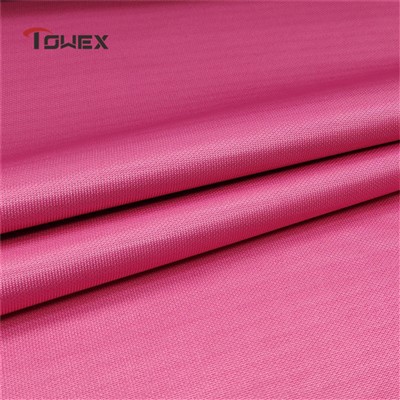
As a supplier of cut resistant fabric, I’ve witnessed the growing interest and potential of this specialized material in the textile industry. Cut resistant fabrics are engineered to provide protection against cuts, slashes, and abrasions. They are made from a variety of high – strength fibers, such as aramid, ultra – high – molecular – weight polyethylene (UHMWPE), and stainless – steel fibers, which give them unique properties that set them apart from traditional textiles.
The Science Behind Cut Resistant Fabrics
To understand the viability of cut resistant fabrics in the textile industry, it’s essential to delve into the science that makes them effective. These fabrics are designed based on the principles of energy absorption and dispersion. When a sharp object makes contact with the fabric, the high – strength fibers within the material work to distribute the force of the cut over a wider area, reducing the likelihood of the blade penetrating the fabric.
Modern manufacturing techniques have allowed for the production of cut resistant fabrics in different weights, thicknesses, and weaves. For instance, lighter – weight cut resistant fabrics can be used in applications where flexibility and comfort are crucial, while heavier – duty options are suitable for more demanding industrial environments.
Applications in the Textile Industry
1. Workwear
One of the most prominent applications of cut resistant fabrics in the textile industry is in workwear. Workers in industries such as construction, manufacturing, and meat processing are at high risk of cuts and lacerations. By incorporating cut resistant fabrics into their work uniforms, employers can significantly reduce the risk of workplace injuries.
Cut resistant sleeves, gloves, and aprons are common workwear items made from these fabrics. These products not only provide protection but also offer a high level of dexterity, allowing workers to perform their tasks with precision. For example, meat – processing workers need to handle sharp knives constantly. A well – designed cut resistant glove can protect their hands while still allowing them to grip the tools firmly and carry out their work efficiently.
2. Personal Protective Equipment (PPE)
Beyond workwear, cut resistant fabrics are also widely used in personal protective equipment. Firefighters, police officers, and security personnel often rely on cut resistant vests and jackets to protect themselves from potential cuts and stabs during their line of duty.
The use of cut resistant fabrics in PPE is a significant advancement in the field of safety gear. It provides an additional layer of protection that can be life – saving in dangerous situations. With the continuous improvement of cut resistant technology, these PPE items are becoming more lightweight and comfortable, enhancing the wearer’s mobility.
3. Fashion and Lifestyle
In recent years, there has been a growing trend of incorporating cut resistant fabrics into fashion and lifestyle products. Designers are starting to recognize the unique properties of these fabrics and are using them to create innovative and functional clothing pieces.
For example, some high – end fashion brands have introduced cut resistant denim, which combines the stylish look of traditional denim with the added protection of cut resistance. These garments are not only suitable for individuals who may face potential cutting hazards but also appeal to those who value durability and uniqueness in their clothing. Additionally, cut resistant scarves and handbags are emerging as trendy yet practical accessories in the market.
Advantages of Using Cut Resistant Fabrics in the Textile Industry
1. Safety Benefits
The most obvious advantage of using cut resistant fabrics is the enhanced safety they provide. In industries where workers are exposed to sharp objects, these fabrics can prevent serious injuries, reducing employee downtime and potential workers’ compensation claims.
From a legal perspective, employers in many countries are required to provide a safe working environment for their employees. By using cut resistant workwear, companies can ensure they are meeting these regulatory requirements and protecting their workforce.
2. Durability
Cut resistant fabrics are generally more durable than traditional textiles. The high – strength fibers used in their production make them resistant to not only cuts but also abrasions. This means that products made from cut resistant fabrics have a longer lifespan, which can result in cost savings in the long run.
For example, cut resistant gloves may cost more upfront compared to regular gloves, but they can be used for a much longer period without needing to be replaced. This durability makes them a cost – effective choice for businesses that rely on protective gear for their operations.
3. Comfort and Style
Thanks to advancements in textile technology, cut resistant fabrics are no longer bulky and uncomfortable. Manufacturers are now able to produce fabrics that are soft, breathable, and flexible, making them comfortable to wear for extended periods.
In terms of style, as mentioned earlier, cut resistant fabrics are being integrated into fashionable clothing designs. This allows consumers to enjoy the benefits of cut resistance without sacrificing their personal style.
Challenges and Limitations
1. Cost
One of the main challenges in using cut resistant fabrics in the textile industry is the cost. The production of these fabrics often involves specialized materials and manufacturing processes, which can drive up the cost significantly.
For small – scale producers or consumers on a tight budget, the higher price of cut resistant products may be a deterrent. However, it’s important to consider the long – term benefits, such as reduced injury costs and increased product lifespan, when evaluating the cost – effectiveness of these fabrics.
2. Perception
Another challenge is the perception of cut resistant fabrics. Some people may associate them with industrial work and think they are not suitable for everyday use or fashion applications. Educating the market about the versatility and style of cut resistant fabrics is crucial to overcome this perception.
3. Certification and Standardization
The cut resistant fabric industry is subject to various standards and certifications. Ensuring that products meet these requirements can be a complex and costly process for manufacturers. Different countries and industries may have their own specific standards, which can make it difficult for suppliers to cater to a global market.
Conclusion
In conclusion, cut resistant fabrics have significant potential in the textile industry. Their unique properties make them suitable for a wide range of applications, from workwear and personal protective equipment to fashion and lifestyle products. While there are challenges such as cost, perception, and certification, the benefits of using cut resistant fabrics, including safety, durability, and comfort, far outweigh these limitations.
As a supplier of cut resistant fabric, I am excited about the future of this material in the textile industry. I believe that with continued research and development, the cost of production will decrease, and the perception of cut resistant fabrics will change for the better.
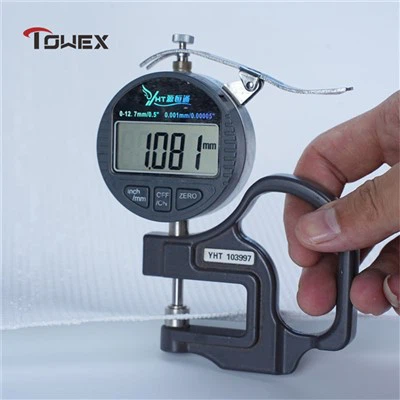
If you are interested in exploring the use of cut resistant fabric in your textile products, I invite you to reach out and start a conversation. We can discuss your specific needs, and I can provide you with samples and detailed product information. Let’s work together to create innovative and high – quality textile products that combine safety and style.
UHMWPE Raw Materials References
- ASTM International standards related to cut resistant fabrics.
- Textile research journals on the development of high – strength fibers for cut resistance.
- Industry reports on the market trends of cut resistant workwear and PPE.
Jiaxing Towex New Materials Co., Ltd.
Jiaxing Towex New Materials Co., Ltd. is one of the most experienced cut resistant fabric manufacturers and suppliers in China, also supports customized service with low price. Please feel free to buy bulk high quality cut resistant fabric in stock here from our factory. Contact us for quotation.
Address: Building 1666, Wuzhen High-tech Zone, Tongxiang City, Zhejiang Province
E-mail: sales@towextech.com
WebSite: https://www.topuhmwpe.com/
