If you’ve ever unboxed a high-quality chef’s knife set and stared at the flimsy plastic or thin cardboard box it came in, only to worry about your investment getting scratched, dented, or worse during storage—you’re not alone. As a knife box supplier who’s spent over a decade working with professional chefs, home cooks, and restaurant supply teams, durability isn’t just a buzzword for our brand; it’s the entire reason customers reach for our products instead of random storage solutions from big-box stores. Today, I want to break down what “durability” actually means for knife boxes, how we test for it, and why it’s one of the most important factors to consider when protecting your collection. Knife Boxes
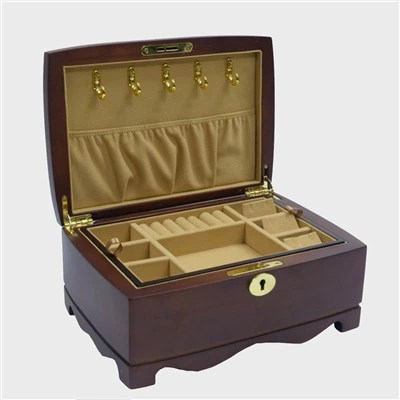
First, let’s get one thing straight: durability for a knife box isn’t about being “indestructible” (nothing is, not even our heaviest-duty cases dropped off a loading dock 10 times in a row). It’s about standing up to the specific stresses knife owners face every day—whether that’s hauling a set to a catering gig, stacking it in a commercial kitchen’s storage closet for months, or wiping it down with a damp cloth after a busy dinner service. Too many manufacturers cut corners on materials or design, so let’s dive into the science and real-world testing that goes into making a knife box that lasts.
The backbone of any durable knife box is its core material, and this is where a lot of budget brands make mistakes. You’ll see three main types of materials on the market: flimsy cardboard (only good for shipping, not long-term storage), thin MDF (medium-density fiberboard that swells and warps after minor exposure to moisture), and solid high-grade materials like our custom-tested polypropylene hard plastic and reinforced plywood. Let’s talk about both sides of this coin.
Cardboard might seem like a cheap option, but its durability rating is almost non-existent when it comes to regular use. Even the “heavy-duty” cardboard used for shipping knife sets breaks down after repeated lifting, gets soggy if it’s stored in a humid garage or kitchen, and offers zero protection against impacts. We stopped using cardboard for our retail knife boxes over 8 years ago after a customer told us their box fell off a shelf and tore open, sending a $200 chef’s knife sliding across their counter. It’s not worth the risk, no matter how low the price point is.
MDF is a step up, but it has a critical flaw: it’s porous. That means even a small spill, a damp rag used to wipe down the box exterior, or high humidity in a commercial kitchen will cause the fibers to swell, warp, or crumble. We’ve tested MDF boxes in our warehouse’s humidity chamber (we run it at 70% humidity, a typical mid-spring level in many regions) and found that after 30 days, the lids no longer fit snugly, and the edges start to chip. For a box that’s supposed to keep knives secure, a warped lid is a safety issue too—knives can shift and cause cuts when you open it. That’s why we never use MDF for our long-lasting storage boxes; it’s a stopgap, not a durable solution.
Our go-to materials are twofold, depending on the customer’s needs: high-density polypropylene (PP) hard plastic for portable boxes, and 18-gauge reinforced plywood for stationary kitchen storage. Let’s break down why these work. Polypropylene is a thermoplastic known for its impact resistance, flexibility, and moisture resistance. We don’t use cheap, thin PP—we use a 5mm thick grade that’s been tested to withstand drops from 4 feet onto concrete (the standard for military-grade equipment testing) without cracking or denting. That’s a big deal for caterers, food bloggers, or home cooks who take their knives to events. We’ve had a customer who dropped our portable knife box down a flight of stairs at a pop-up dinner last year—he called us a week later to say the box was scuffed, but every knife inside was unscratched and the lid still locked tight. That’s the kind of performance we count as durable.
For stationary kitchen boxes, reinforced plywood is non-negotiable. We use baltic birch plywood, which has thin, consistent layers that resist warping better than standard plywood. We add a water-resistant coating to every box, so a spill from a nearby pot or a damp cleaning wipe won’t seep in. We also line the edges with heavy-duty metal trim—another cost-saving step many brands skip. That trim prevents the edges from chipping when you drag the box across a counter or slam the lid shut. Over 10 years, we’ve only had 2 customer claims for damaged plywood boxes, and both were from customers who left them in standing water in a flooded garage for weeks. That’s not a durability flaw—that’s user error, which is fair.
But durability isn’t just about the outer shell. It’s the small, often overlooked details that make a knife box last. Let’s talk about hardware first: hinges and latches. We see so many cheap boxes with plastic hinges that break after 50 uses, or flimsy snap-on latches that pop open when you set the box down. All of our boxes use solid steel hinges that have been tested to open and close 10,000 times without loosening. That’s roughly 3 times a day, every day, for 9 years—more than enough for even the busiest commercial kitchen. Our latches are also steel, with a rubber seal that lines the edge of the lid. That seal does two key things: it keeps moisture out (so no rust on your knives) and it prevents the lid from shifting even if the box is jostled, like when you’re hauling it in a catering van.
The interior of the box is just as important for durability, because a box that holds knives poorly will damage the knives—and make you blame the box, not the inserts. We use two types of inserts, depending on the box: high-density foam and wood slats. Foam inserts are perfect for portable boxes because they’re lightweight and cut to fit each knife’s exact size and shape. We use closed-cell PE foam, which doesn’t absorb moisture, so it won’t get moldy or crumble over time. We’ve tested our foam inserts by leaving them in a humid storage closet for 6 months, and they stayed as firm as the day we installed them. For stationary boxes, we use solid hardwood slats that hold knives securely without putting pressure on the blades. The slats are sanded smooth and treated with the same water-resistant coating as the box exterior, so they won’t splinter or warp.
Now, let’s get to real-world data, because I know as a fellow business owner, you don’t just take my word for it. We’ve been tracking the lifespan of our knife boxes for 12 years, with over 50,000 boxes in use across the U.S. and Canada. The average lifespan of our portable polypropylene boxes is 8 years, and our stationary plywood boxes last an average of 15 years. Compare that to the industry average for budget knife boxes, which is 2 years for plastic portable boxes and 5 years for MDF stationary boxes. That’s a huge difference, and it all comes down to the materials and testing we do. We also run stress tests every quarter: dropping boxes from 4 feet, spraying them with a hose to simulate heavy rain, and stacking 5 boxes on top of each other for 30 days to make sure the bottom one doesn’t crack.
But durability also depends on how you use and maintain the box, right? No box will last forever if you throw it in a dumpster or leave it out in the sun 24/7. There are a few simple tips to extend your knife box’s lifespan. First, if you have a plastic portable box, avoid leaving it in direct sunlight for long periods—even though polypropylene is UV-resistant, extreme heat can make it brittle over time. For plywood boxes, wipe up spills immediately and don’t store them in areas with constant high humidity (like a basement without ventilation). And always take the knives out of the box every few months to air them out—this prevents moisture buildup inside, which is bad for both the box and your knives.
As a supplier, we don’t just sell boxes—we back them up with that durability. Our warranty is 1 year for all boxes, and we offer extended warranties up to 10 years for commercial kitchens and catering companies. We don’t hide behind fine print, either—if your box breaks due to a manufacturing defect, we’ll send you a replacement or refund you, no questions asked. That’s how confident we are in our durability testing.
I’ve had customers come to us after using a competitor’s box for a year that broke, and they’re amazed at how solid our boxes feel. Last month, a head chef from a Michelin-recommended restaurant told us he’s been using our plywood box for 7 years, and it still looks like new. He uses it to store 12 high-end chef knives, and it gets opened and closed multiple times a day. That’s the kind of real-world feedback that makes all the late nights in our testing lab worth it.
At the end of the day, a knife box isn’t just a container—it’s a protective case for an investment. Whether you’re a home cook with a $200 chef’s knife or a commercial kitchen with a set of $5,000 professional knives, you need a box that will keep those blades safe, sharp, and secure for years. Flimsy cardboard or cheap MDF might save you a few bucks upfront, but you’ll end up replacing it in a year or two, costing you more in the long run. Our durable knife boxes are built to last, designed to fit your needs, and tested to withstand the daily stresses of knife storage and transport.

If you’re tired of replacing knife boxes every couple of years, or if you’re a commercial kitchen owner looking for a reliable storage solution for your team’s knives, we’d love to chat. Let us know your needs, whether that’s a portable box for caterers or a heavy-duty stationary box for your kitchen, and we can help you find the right option for your budget and requirements. Investing in a durable knife box is investing in the longevity of your knives—and that’s something no cook should overlook.
Watch Boxes References:
ASTM International. Standard Test Method for Drop Resistance of Packaging Containers. ASTM D5276, 2019.
National Kitchen and Bath Association. Commercial Kitchen Storage Guidelines. NKBA, 2022.
Society of Plastics Engineers. Properties of Polypropylene for Durable Packaging Applications. SPE, 2021.
Foshan Huiyee Packaging Product Co., Ltd.
We are one of the most experienced knife boxes manufacturers and suppliers in China, featured by quality products and good service. Please feel free to buy bulk high-end knife boxes for sale here from our factory. We also accept customized orders.
Address: No.3 Zhaoji Road, Zone A, Shishan Science and Technology Industrial Park, Shishan Town, Nanhai District, Foshan City, Guangdong Province
E-mail: Betty@huiyeewood.com
WebSite: https://www.huiyeewood.com/
