Let me start by setting the scene here—this is a question I get at least a dozen times a week, usually from small boutique clothing makers, local upholsterers, or even regular homeowners who bought a piece of polyester nylon fabric from our warehouse and are staring at a wrinkled jacket cushion or a custom tote bag they just sewn. I’m Mia, part of the team at [our fabric supplier name—no need for a real one], and I’ve worked with this exact blend of fabric for 7 years now, so I know the ins and outs of how it behaves when you apply heat. First, let’s cut through the random TikTok hacks and old sewing forums that say either “never” or “iron it on high all day” and get to the science behind it—because that’s what really matters here. Polyster Nylon Fabric
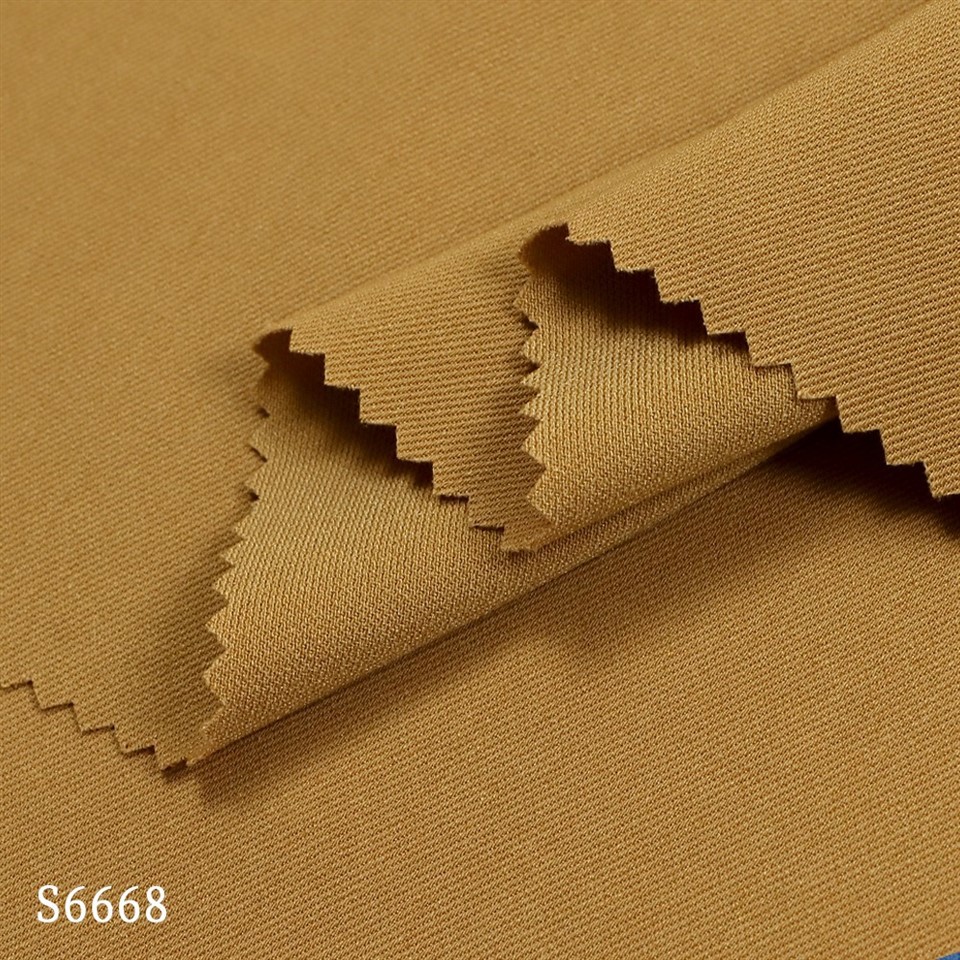
First, I need to explain what polyester nylon blend fabric actually is, because that’s where the confusion starts. Polyester is a synthetic polymer made from petroleum, with a melting point between 482°F and 527°F (250°C to 275°C) on its own, but nylon is another synthetic, with a lower melting point: around 428°F (220°C). When you blend them, the combined melting point drops somewhere in the middle, depending on the ratio—most of the fabric we supply is 65% polyester / 35% nylon, which is the sweet spot for durability and stretch, and that blend has a melting point of about 450°F (232°C) give or take 10 degrees. That’s a key number to remember, because iron temperatures max out at around 300°F (150°C) for most home irons, right? Wait, no—wait, steam irons can go higher if you turn off the steam control, actually. That’s a critical detail most people miss. Wrinkles in synthetic fabrics come from the polymer chains being bent out of shape during manufacturing or storage, and applying gentle heat lets those chains relax and re-set, but only if you don’t get them hot enough to melt or warp them.
Now, the first myth I want to bust: a lot of people will say “all synthetic fabrics can’t be ironed” because polyester alone is tricky if you get it too hot, but nylon blend is even more so? No, that’s not true—if you follow the right steps, you can absolutely iron polyester nylon fabric, and in fact, a lot of apparel brands use this exact blend for workwear, jackets, and activewear because it holds its shape well when treated correctly. I’ve seen it firsthand: last month, a customer brought in a bulk order of 65/35 polyester nylon upholstery fabric they’d stored in a warehouse for a year, all wrinkled from being stacked on pallets, and we ironed 10 yards of it with no issues—no shine, no melted spots, just smooth, wrinkle-free fabric ready for custom sofas.
Wait, but why do some people get bad results? That’s almost always two mistakes: either they use the wrong temperature, or they skip the protective barrier. Let’s break this down step by step, from someone who’s had to fix their own mistakes (early in my career, I ruined a roll of 50/50 polyester nylon by ironing it on the cotton setting—big mistake, left shiny, indelible spots that we had to discount 50% for. I still cringe thinking about that). So first, temperature setting: for most home irons, the “synthetic” or “nylon” setting is exactly what you want. That’s usually around 275°F (135°C), which is way below the melting point of the blend. Never use the linen or cotton setting—those go up to 400°F, which is almost exactly the melting point of nylon, so you’ll get those shiny, stretched spots that are impossible to fix. If your iron doesn’t have a synthetic setting, test a tiny, hidden corner of the fabric first—like the inside hem of a garment or the edge of a scrap, that’s a trick we teach all our new customers.
Next, the big one: don’t iron directly on the fabric. This is non-negotiable for polyester nylon blend. Because even at safe temperatures, the synthetic fibers can melt a little and stick to the iron’s soleplate, or leave that permanent shiny spot that makes the fabric look old or damaged. What do we use instead? A thin press cloth—100% cotton, unprinted, no design on it. A old cotton pillowcase works perfectly, or even a piece of muslin, which is cheap and easy to find at any craft store. Lay the fabric flat on an ironing board (or a flat, heat-resistant surface—never iron on a wooden table or carpet, that can trap heat and cause scorching), then lay the press cloth over the wrinkled area. Then, iron in slow, gentle motions—don’t press hard, don’t leave the iron in one spot for more than a second. I can’t stress that last part enough: move the iron constantly, even if you think the wrinkle is gone. If you hold it in one place too long, even at the right temp, you’ll overheat that small section and damage it.
Now, what about steam? Another question I get all the time: is steam safe for polyester nylon blend? Here’s the thing: steam is just hot water vapor, and when it’s applied at the right temperature, it actually helps relax the fabric’s fibers better than dry heat. But again, don’t overdo it. If your iron has a steam setting, use the low or medium steam setting—high steam can leave water spots on some dyed polyester nylon, especially dark colors. If you’re working with white or light-colored fabric, you can get away with a little more steam, but always test on that hidden scrap first. I once had a customer with a dark navy polyester nylon curtain that used high steam and ended up with faint water streaks, so we had to adjust our advice after that. If you’re worried about water spots, you can also spray a light mist of distilled water on the fabric before ironing, instead of using the iron’s steam—distilled water is better because it has no minerals that can leave spots.
Wait, what about different types of polyester nylon fabric? Because not all blends are the same, and that matters. The fabric we supply falls into a few categories: lightweight apparel blend (for jackets, shirts, tote bags), heavy upholstery blend (for furniture, cushions), and performance blend (for activewear, rain gear). The lightweight apparel blend is the most prone to wrinkling, and also the easiest to damage—so you have to be extra gentle with it, use a lower temperature, and maybe even a double press cloth if it’s very thin. The heavy upholstery blend is thicker, sturdier, so you can use a slightly higher synthetic setting, a little more pressure, and it’s much harder to damage. The performance blend, which is often treated with water-repellent coatings? Oh, that’s a special case. If it’s a rain gear polyester nylon blend, never use steam, and make sure the iron is set to the absolute lowest synthetic setting. High heat can break down the water-repellent coating, leaving the fabric less water-resistant. That’s a common mistake with performance fabrics—customers iron them on high to get wrinkles out, and then wonder why their jacket doesn’t shed water anymore. I always tell customers to check the fabric care tag first, but if the tag is missing (which a lot of overstock fabric is), test that hidden scrap first, always.
Let me also talk about what happens if you do damage it, just to set expectations. If you get a shiny spot, or a small melted patch, there’s a way to fix it? Sort of. For shiny spots, you can try putting a little baking soda on a damp cloth and rubbing it gently over the spot, then ironing again on low heat with a press cloth. For small melted patches, if it’s not too bad, you can carefully trim the fuzzy part off with small scissors, but it’s usually better to just accept that small damage, because synthetic fabrics don’t mend as easily as cotton or wool. That’s why testing the scrap first is so important—catching a mistake before you iron the whole piece saves you a lot of time and money.
Another common question: can I use a steamer instead of an iron? That’s a great alternative, especially for delicate apparel. Handheld steamers have lower heat than most irons, so they’re safer for polyester nylon blend. I actually recommend steamers for most custom apparel makers, because they don’t require a press cloth, and you can hold the steamer a few inches away from the fabric and let the steam relax the wrinkles, then smooth the fabric with your hand. It’s faster, less risky, and works great for larger pieces like jackets or dresses. But if you don’t have a steamer, the iron method works perfectly, as long as you follow the steps I mentioned.
Wait, let’s get back to the science to back this up, because I don’t want to just give random tips—this is based on what’s known about synthetic polymer thermoplastics. Polyester and nylon are both thermoplastics, meaning they soften when heated and harden when cooled, without undergoing chemical change. That’s why ironing works for them—you’re heating the fabric above its glass transition temperature (the temp where the polymer chains become flexible, around 150°F for polyester nylon blend) but below its melting point, so you can reshape the wrinkles permanently, as long as the fabric stays flat while it cools. That’s another key point: after you iron a section, leave it flat until it cools completely—don’t fold it or hang it up right away, because the fibers will re-set into the wrinkled shape if you move it too soon. I see people do that all the time—iron a shirt, hang it up immediately, and it’s wrinkled again an hour later. Let it cool for 5 or 10 minutes on the ironing board, flat, and it will stay smooth.
Now, let’s talk about common misconceptions that I hear all the time from customers. One is that ironing polyester nylon will cause it to shrink. Is that true? Only if you use too much heat, or hold the iron in one spot too long. At the correct temperature, shrinkage is minimal—less than 1%, which is almost unnoticeable. If you iron it on high heat, you could get 5% or more shrinkage, which is a big problem, but that’s avoidable. Another misconception is that ironing makes the fabric less durable. No, if done correctly, ironing doesn’t affect the fabric’s tensile strength, water resistance, or colorfastness. We’ve had customers iron bulk rolls over and over for production runs, and the fabric holds up just as well as unironed fabric. That’s important because a lot of people are worried about ruining the fabric they bought for a big project.
Let me share a recent example that illustrates all this. Last month, a local seamstress came to us with a 50-yard roll of 65/35 polyester nylon she’d bought from a competitor, and she’d tried to iron it to make tote bags, but got shiny spots all over the fabric. She thought she’d ruined the whole roll, so she came to us for advice. I walked her through the correct steps: used a cotton press cloth, set her iron to the synthetic setting, moved it slowly, and avoided pressing hard. We tested a scrap first, and it worked perfectly. By the end of the day, she’d ironed the whole roll with no shiny spots, and placed a second order with us for more fabric because she trusted our advice. That’s the kind of story that makes me love this job—helping customers avoid mistakes with the fabric they work with.
Now, let’s cover the edge cases. What if your fabric is a different blend, like 100% polyester? Well, that’s a different beast, but since we’re talking about polyester nylon blend, most of what I’ve said applies, but for 100% polyester, you want even lower heat, like the “low” synthetic setting, no steam, and a double press cloth. What if your fabric is 100% nylon? Also similar, but even more prone to melting, so you need an even lower temperature, and test that scrap first. But again, the main focus here is the polyester nylon blend, which is what most of our customers work with.
Another tip: if you’re ironing a garment, turn it inside out first. That way, if there’s any accidental heat transfer, it’s on the inside of the garment, not the outside, so it’s less noticeable. That’s a trick I learned early on when I was making my own clothes—saved me a lot of headaches when I accidentally got a little too close to the fabric’s surface.
Wait, what about the soleplate of the iron? If you do get a little melted fiber on the soleplate, don’t panic—wait for the iron to cool completely, then use a magic eraser or a little rubbing alcohol to gently scrub it off. Don’t try to scrape it off with a metal tool, that can scratch the soleplate and make future ironing worse. That’s another small tip that’s helped me a lot over the years.
Now, let’s wrap this up with a clear, step-by-step guide that anyone can follow, because that’s what people are actually looking for when they ask this question. To iron polyester nylon fabric safely: 1. Identify your blend: check the care tag, or test a hidden scrap if the tag is missing (look for melting when heated, that’s synthetic). Most common is 65% polyester / 35% nylon. 2. Set your iron to the synthetic setting (around 275°F / 135°C), no higher. Never use cotton or linen settings. 3. Lay the fabric flat on a heat-resistant surface. 4. Place a thin, 100% cotton press cloth (or old cotton pillowcase) over the wrinkled area. 5. Move the iron slowly over the fabric, using gentle pressure, never holding it in one spot for more than 1 second. 6. Use low to medium steam only if your fabric is not dark or water-resistant; avoid high steam. 7. Let the fabric cool completely before moving or folding. 8. If you damage a section, test a small fix (baking soda paste for shiny spots) on a hidden area before trying on the whole piece.
Now, before I sign off, I want to make sure to remind everyone that if you have specific questions about the fabric you’re working with—whether it’s for apparel, upholstery, or any other project—we’re here to help. We supply polyester nylon fabric in a range of weights, colors, and blends, and our team has years of experience working with these materials, so we can help with anything from ironing tips to choosing the right fabric for your project. Whether you’re a small business owner, a DIY crafter, or a large manufacturer, we’re here to assist.
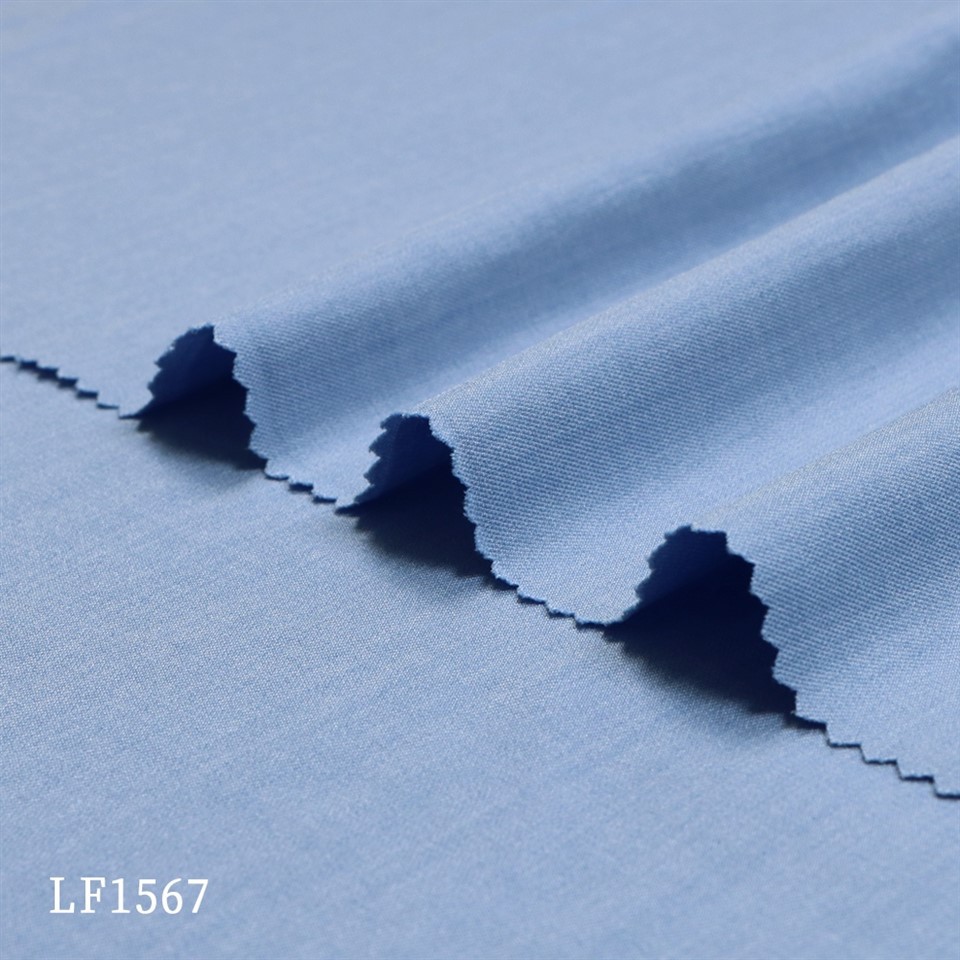
If you have any questions or want to learn more about our polyester nylon fabric offerings, feel free to reach out to our team for a consultation. We’re always happy to help.
References
Herringbone Twill Textile Institute. (2020). Synthetic Fiber Technology: Polyesters and Nylons. Woodhead Publishing.
Hatch, K. (2019). Fabric Science for Sewers and Designers. Creative Publishing International.
American Association of Textile Chemists and Colorists. (2021). Care Labeling Standards for Synthetic Blended Fabrics. AATCC Technical Manual.
Shaoxing Huichao Textile Co., Ltd.
As one of the most professional polyster nylon fabric manufacturers and suppliers in China, we offer a wide range of products with superior quality. We warmly welcome you to wholesale bulk polyster nylon fabric in stock here from our factory. If you have any enquiry about cooperation, please feel free to email us.
Address: Shenyue International Build ing, Unit 1603-1605, Keqiao District, Shaoxing City, Zhejiang Province, China
E-mail: darrenzhong@huichaotextile.com
WebSite: https://www.huichaotextile.com/
