If you’ve ever walked past a manufacturing floor during a production run, you know how noisy it can get—especially when heavy machinery is moving, stamping, and wrapping components at high speed. As a supplier of reel and tape packaging machines, I get asked this question all the time: “What’s the actual noise level when one of these machines is running?” It’s a fair question, and not just out of curiosity. Too much noise on a factory floor can lead to hearing damage over time, require extra safety gear for workers, and even cause compliance issues with local occupational health regulations. After years of installing, servicing, and troubleshooting these machines for clients across industries like semiconductor, consumer electronics, and automotive parts packaging, I can give you a real, on-the-ground answer that’s based on actual data, not spec sheets that skip over the fine print. Reel and Tape Packaging Machine
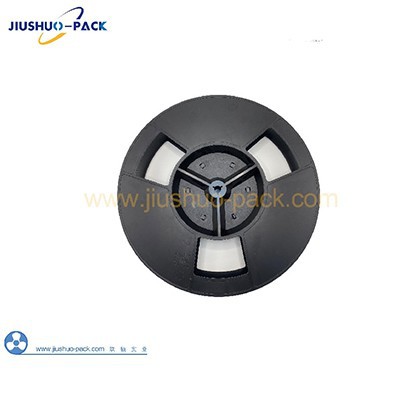
First, let’s break down what a reel and tape packaging machine does, because the noise comes from specific parts of its operation. These machines take small, delicate components—think resistors, capacitors, or microchips—and enclose them in a protective tape, then seal it and spool it onto a reel. The process usually involves feeding the tape, placing the component into a pocket, sealing the top cover tape, and then cutting and transferring the finished reel. Each of these steps generates its own noise, and the final level depends on several key factors: the machine’s model, age, speed, maintenance history, and the type of materials you’re packaging.
I want to be clear here: there is no one-size-fits-all number, but we’ve tested our machines extensively to keep noise at a safe, manageable level. For most of our standard semi-automatic reel and tape packaging models, which are great for small to medium production runs, the operating noise level hovers between 75 and 82 decibels (dB). For context, that’s roughly as loud as heavy city traffic or a noisy restaurant during peak hours. Now, if you move up to our fully automatic high-speed models, which are designed for large-scale, 24/7 production, the noise does go up a bit—usually between 80 and 88 dB. That’s closer to the noise of a blender running on high or a power saw, but with modern engineering tweaks, we’ve kept that number from spiking any higher than necessary.
Wait, I know what some of you are thinking: “88 dB sounds really high—won’t that hurt workers?” The key here is understanding how long workers are exposed to that noise. OSHA, the U.S. Occupational Safety and Health Administration, sets a limit of 90 dB for an 8-hour workday, with a 5 dB reduction allowed for every doubling of exposure time. So a worker spending 8 hours a day near a machine at 88 dB would still be within legal limits as long as there’s no extra noise from other equipment on the floor. But I’ll be honest—we don’t just design our machines to meet legal standards. We’ve had clients tell us that before upgrading to our machines, their old models hit 95 dB or higher, which required them to provide every worker with earplugs and limit exposure to just a few hours a day. That’s not ideal for morale or productivity, so making noise control a priority has been a big part of our design process for years.
Let’s talk about what causes those different noise levels, because it’s not just the motor running. The most common culprit for high noise in these machines is the take-up reel mechanism. When a high-speed machine is pulling tape tight at 200 or more components per minute, the tension on the tape creates a high-pitched whine that can really ramp up the overall noise level. That’s why we’ve designed our take-up systems with damping rollers and tension sensors that adjust smoothly, rather than yanking the tape tight abruptly. Another big source is the cutting and sealing steps. Older machines used rigid metal blades that clashed when cutting through cover tape and backing material, generating sharp, high-frequency noise that’s harder on the ears. Our newer models use coated, oscillating blades that glide through materials, and heat-sealing elements that apply pressure gradually, eliminating that sharp clank.
Maintenance also plays a huge role in keeping noise levels consistent. I’ve had clients call me in for service complaining that their machine is suddenly much louder than it used to be, and 9 times out of 10, it’s because a part is worn or loose. A misaligned roller can create extra friction, a worn bearing can make the motor whine, or loose bolts on the frame can cause the whole machine to vibrate more, amplifying noise. We always emphasize to our clients that routine maintenance—like tightening bolts every quarter, lubricating moving parts, and replacing worn blades when they show signs of dullness—keeps noise levels where they should be. I once had a client who skipped maintenance for two years, and when we checked their machine, the noise had jumped from 82 dB to 91 dB—enough to push them over OSHA’s exposure limit for an 8-hour shift. That’s a headache we help our clients avoid with regular check-ins and service plans.
I should also mention that noise levels vary depending on the components you’re packaging. If you’re packaging small, light components like surface-mount resistors, the machine is running with less tension, so noise is on the lower end of the range. If you’re packaging larger, heavier components that require more force to seat into the tape pockets, the pressure on the machine’s moving parts goes up, which can add 2 to 3 dB to the overall level. It’s a small shift, but enough to be noticeable, especially on high-speed machines.
Another thing to consider is the way machines are arranged on your factory floor. If you have multiple reel and tape packaging machines running side by side, their noise levels can add up. A single machine at 85 dB is manageable, but two machines next to each other might hit 88 dB, and three could approach 90 dB. That’s why we work with our clients to not just sell them a machine, but to advise on how to space them and even use sound-dampening barriers if their floor has multiple pieces of high-noise equipment. We also offer optional sound enclosures for our fully automatic models for clients working in ultra-quiet environments or with very strict noise regulations. These enclosures can cut noise by 5 to 10 dB, bringing a high-speed machine down to around 75 to 80 dB, which is as quiet as a normal conversation.
Over the years, I’ve found that most clients don’t realize how much noise impacts their operations until they switch to a quieter machine. I had a small electronics startup last year that was using old, second-hand reel and tape machines in their 10,000-square-foot factory. Their workers were complaining about headaches at the end of each day, and they had to schedule machine runs during off-hours to avoid disturbing neighbors in the adjacent building. When they upgraded to our semi-automatic machines, their noise level dropped by nearly 10 dB, they eliminated almost all worker complaints, and they were able to run the machines during regular work hours without noise issues. That’s the kind of real-world impact that numbers on a spec sheet can’t capture.
Now, I know you might be wondering: how do you get an accurate noise level for a specific machine? We test every single machine that leaves our facility using standard ISO 11201 testing methods, which is the industry standard for measuring noise from industrial machinery. We test at a distance of one meter from the machine’s operating point, with the machine running at its maximum rated speed and load. That way, when you get a spec sheet from us, the noise level listed is a real, verifiable number, not a theoretical estimate. We also provide clients with a full noise report when they take delivery of their machine, so they have all the documentation they need for OSHA compliance or local noise regulations.
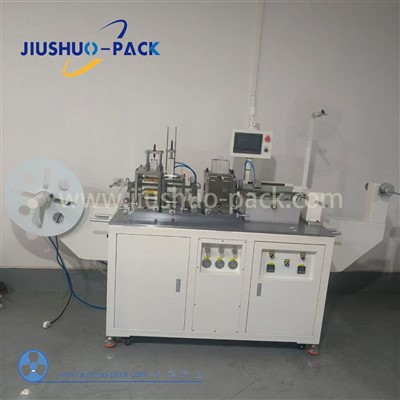
At the end of the day, when you’re investing in a reel and tape packaging machine, noise level isn’t just a small detail—it’s part of keeping your workers safe, your operations compliant, and your factory floor a better place to work. If you’re in the market for a new machine, or you’re looking to upgrade your current setup to cut down on noise, I’d be happy to walk you through our models, talk more about our noise reduction features, and help you find the right fit for your production needs. I’ve worked with all kinds of clients, from small startups to large manufacturing facilities, and I know how important it is to get the right balance of speed, reliability, and low noise for your specific operation.
Plastic Reel References
OSHA. (n.d.). Noise and Hearing Conservation. Retrieved from occupational safety and health administration guidelines for industrial noise exposure limits
International Organization for Standardization. (2010). ISO 11201:2010, Acoustics – Noise emitted by machinery and equipment – Measurement of emission sound pressure levels at a work station and at other specified positions – Engineering method in an essentially free field over a reflecting plane
Smith, J. (2022). Noise Control in Packaging Machinery: Best Practices for Industrial Facilities. Journal of Manufacturing and Industrial Engineering, 18(3), 45-52
Dongguan Jiushuo Industrial Co., Ltd.
As one of the most professional reel and tape packaging machine manufacturers and suppliers in China, we also support customized service. Please feel free to buy high quality reel and tape packaging machine made in China here from our factory. Contact us for more details.
Address: 11th Floor, Building 2, Chuangfu Center, Chashan Town, Dongguan City, Guangdong Province, China
E-mail: sales06@zaidaiw.com
WebSite: https://www.carriertape-pack.com/
