Let’s be real—choosing a packaging printing company that doesn’t ghost you, messes up your deadlines, or turns your brand’s vision into a blurry, off-color disaster feels like gambling with your business. I’ve been in this packaging printing game for years, working with everyone from startup snack brands to big-name retail chains, and I’ve seen way too many folks make this exact mistake: picking the first cheap quote they get only to end up with boxes that look like they were printed on a home printer that ran out of ink halfway through. So let’s cut the crap—no fancy jargon, no over-the-top sales pitches, just the real, actionable stuff I wish someone had told me when I first started navigating this. Packaging Printing

First off, stop fixating on “lowest price” like it’s the holy grail. Yeah, that $0.05 per unit quote sounds amazing, but ask yourself—what are you actually getting for that? Last year, a client came to me panicking because they’d ordered 50,000 product boxes from a place that was 30% cheaper. When they unloaded them, half had wrong Pantone colors, the cardstock felt like tissue paper, and a whole pallet was missing the die cuts for their product inserts. Turns out that company was buying subpar materials, cutting corners on quality control, and rushing orders to take on more jobs. I’m not saying you have to blow your entire marketing budget on packaging, but if a quote is way lower than all the others? It’s a red flag. Reputable packaging printers have real costs: premium cardstock, certified ink that’s fade-resistant, skilled press operators, and actual quality checks (not just one person staring at a sample for 10 seconds).
Next, ask for proof they can actually do what you need. Everyone says they “specialize in custom packaging,” but do they have a portfolio that matches your project? If you’re a skincare brand needing matte, eco-friendly boxes with gold foil stamping, don’t hire a printer who only does basic corrugated shipping boxes for Amazon sellers. Last quarter, a sustainable candle brand reached out to me because a previous printer promised they could do their 100% recycled paper boxes with soy ink, but all their samples had weird gray streaks from cheap ink. I sent over photos of similar projects we’d done, walked them through how we test soy ink on different recycled paper types, and that’s why they booked us—they didn’t want to take another risk. Also, ask for case studies, not just pretty pictures. Have they handled projects of your size? Can they make revisions without charging you an arm and a leg? And don’t forget to check if they can work with your design files—if you’re a small brand using Canva, you don’t need a printer that only accepts AI or EPS files.
Now, let’s talk about transparency around the process. You should never feel like you’re in the dark. A good packaging printing company will give you a clear timeline, from design approval to delivery, and they’ll update you if there’s a delay before it happens, not after. When I first started, I messed up this part all the time—once I had a press breakdown and didn’t tell a client until 2 days before their order was supposed to ship, which made them miss a pop-up shop. Now, I send weekly check-ins, give exact dates for when proofs will be ready, and if something goes wrong, I communicate it immediately. Also, ask about their prepress process—this is where most mistakes happen. Do they check for color matching, file errors, die cut alignment, before sending it to print? Shoddy prepress means you’ll pay for a full print run just to find out your logo is cut off or your color is 10 shades off. We have a dedicated prepress team that does three rounds of checks on every single file, and we even send a digital proof for approval before hitting print—no surprises, no “that’s not what I wanted” arguments later.
Eco-friendliness is a big one now, especially if your brand is focused on sustainability, and this is where a lot of companies fake it with greenwashing. If “eco-friendly” is a priority for you, don’t just take a printer’s word for it. Ask for certifications: FSC for paper (meaning it’s sourced from responsibly managed forests), soy-based or water-based ink (not toxic petroleum-based stuff), and if they have a recycling or take-back program for leftover materials. A few months ago, a coffee roaster came to us because another printer was claiming they used “100% recycled packaging” but actually only used 30% post-consumer waste paper. We showed them our FSC chain of custody documents, our ink spec sheets, and explained how we source our corrugated from local mills that turn post-consumer boxes into new ones. That transparency matters—your customers will notice if your packaging feels “greenwashed,” and it could hurt your brand.
Don’t sleep on customer service and communication. You’re going to have questions: “Can we adjust the box size last minute?” “How do I track my order?” “What if there’s a defect?” A reliable packaging printer will answer your calls or emails within a day, not 3 days later when your deadline is almost here. I’ve had clients come to me because their previous printer disappeared after collecting a deposit—they’d call, and no one would answer, and by the time they got a response, their order was way behind. For us, we have a dedicated account manager for every client, so you don’t have to go through 5 different people just to get a simple answer. We also make it easy to reach us after hours if it’s an emergency—last month, a client had a last-minute event and needed their boxes shipped a day early, and our account manager helped coordinate with the shipping team to make it happen without rushing quality.
Another thing: ask about sample policies. A good company will let you order physical samples before you commit to a full run. This is non-negotiable. A digital proof can show you the design, but it can’t show you how the cardstock feels in your hand, how the ink reflects light, if the foil is too shiny or not shiny enough. We offer free small samples (just cover shipping) and paid full-size run samples so clients can test everything. I’ve had clients who loved their digital proof but hated the actual texture of the cardstock—saving them thousands of dollars by catching that before a full print. If a company won’t send you physical samples? Run. They don’t care if your packaging is good, they just want your money.
Wait, let’s talk about capacity too. If you’re a growing brand, and you’re planning to scale your packaging (like going from 1,000 boxes a month to 10,000), you need a printer that can keep up. A lot of small, local printers can only handle small runs, so if your business blows up, you might get stuck looking for a new printer at the worst time. We’ve invested in multiple digital and offset presses, so we can handle small startup runs and large bulk orders, and we have partnerships with local shipping companies to get orders out fast. We also work with brands as they grow—last year, a client started with 2,000 custom boxes and now orders 50,000 a month, and we’ve been with them every step of the way, adjusting production to fit their needs.
Let me be real about red flags to watch out for, too. If a company pressures you to sign a big contract upfront, that’s a bad sign. Reputable packaging printers don’t hold you hostage with long-term contracts—they want to earn your business every order. If their website only has generic stock photos and no real client testimonials (or the testimonials sound fake, like “best printer ever!” with no details), that’s another flag. You want reviews from actual people who had similar projects. Check Google, Yelp, or industry groups for feedback—don’t just take their word for it. And if they don’t ask about your timeline, budget, or brand needs before giving a quote? They’re not paying attention to your project, they’re just spamming quotes.
At the end of the day, your packaging is more than just a box—it’s what customers touch first, what represents your brand when no one’s around to explain it. Picking the wrong printing company doesn’t just mean you get bad boxes; it means you miss deadlines, waste money, and maybe even lose customers. I’ve seen it so many times. That’s why we do things differently here: we focus on quality, transparency, and actually getting to know our clients so their packaging works for their brand, not just for our press schedule.
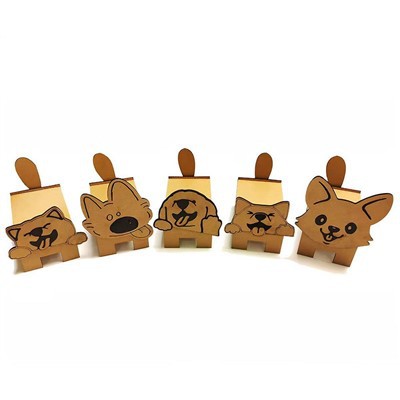
If you’re tired of the guesswork, if you have a project in mind and want to work with a team that won’t ghost you, won’t cut corners, and will make your packaging look as good as it should, hit us up to chat. No pressure, no awkward sales pitch, just a conversation about what you need and how we can help.
Paper Products References:
- Sustainable Packaging Coalition. (2023). Greenwashing in Packaging: A Guide for Brands and Consumers.
- Print Quality Association. (2022). Best Practices for Prepress and Quality Control in Commercial Printing.
- Small Business Administration. (2021). How to Evaluate Vendors for Custom Packaging and Printing.
- FSC International. (2023). Chain of Custody Certification Standards for Paper and Packaging.
- National Retail Federation. (2022). The Impact of Packaging Quality on Customer Brand Perception.
Rugao City Printing Co., Ltd.
As one of the most experienced packaging printing manufacturers and suppliers in China, we also support customized service. Please feel free to wholesale bulk high quality packaging printing for sale here from our factory. For quotation, contact us now.
Address: No. 259, Liyu Road, Rugao City, Jiangsu Province
E-mail: rgsycxp@163.com
WebSite: https://www.rugaoprinting.com/
