Hey there, let’s cut to the chase. If you’ve ever stared at your open office desk, half-listening to your teammate rant about their weekend hike, the microwave ping, and someone’s Zoom call blaring from the next cubicle all at once, you’ve definitely thought: “Is there literally any way to get five minutes of actual work done?” That’s where acoustic office booths come in—they’re those little pod-like spaces you’ve probably seen in co-working spots, office lobbies, or even startup flex spaces, and lately they’ve been blowing up online as the “private workspace solution” for busy offices. But let’s be real, there’s a lot of back-and-forth about whether these things actually work, or if they’re just another overhyped office fad. As someone who’s been in the acoustic office booth game for a few years now, I’m here to break this down without the sales fluff, using actual stuff we’ve tested, what our customers tell us, and the science behind the sound walls. Acoustic Office Booth
First off, let’s get the basic question out of the way: yes, an acoustic office booth can absolutely be used as a private workspace—if it’s the right kind of booth, not just a glorified phone booth with plastic walls. But let’s not gloss over the fine print, because not all booths are created equal. A lot of people think “acoustic” just means it’s quiet inside, but the science of how sound works in these spaces is way more specific.
Open office plans became the default like, 15 years ago, right? The pitch was that it’d make collaboration easier, break down silos, save on real estate. But what no one counted on was the sound level—studies after studies show that the average open office has a background noise level of 60 to 65 decibels. For context, that’s the same as a regular conversation (about 60 dB) or the hum of a dishwasher. Now, if you’re trying to do deep work—like drafting a report, designing a product, or even just focusing on a complex task that requires sustained concentration—our brains need a noise level around 40 to 50 dB. That’s like a quiet library or light rain. The gap between 65 and 50 is huge.
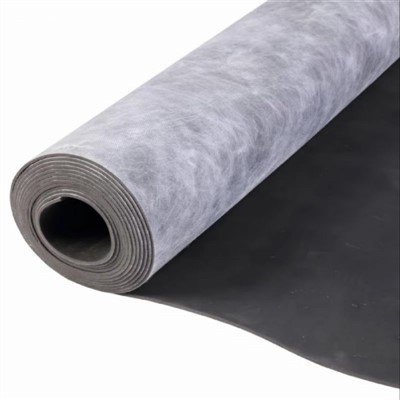
That’s where acoustic booths step in. Properly engineered booths use sound-absorbing materials—think dense foam panels, mass-loaded vinyl, even specialized ceiling tiles that aren’t just the cheap stuff you’d find in a bathroom. These materials don’t just muffle sound; they stop sound waves from bouncing around. When you’re in a booth designed for workspace use, the background noise that seeps in from the open office gets cut by 20 to 30 decibels, bringing that 65 dB down to the 40-50 dB sweet spot. That’s the science part that actually works, not marketing buzzwords.
But wait, let’s talk about the practical stuff that matters way more than graphs. A lot of people test a booth for 30 seconds and call it garbage because “it’s stuffy” or “you can hear people tapping their keyboard from inside.” Okay, first of all: if you’re buying a $500 Amazon booth that’s made of thin MDF and a flimsy door, yeah, it’s gonna suck. But the good ones— the ones we supply—are designed with office work in mind. They’re not just tiny boxes to take a call. They have proper ventilation, so you don’t end up sweating through your shirt after an hour. They have enough space for a desk, a chair, and even a monitor if you need it—we’ve got models that fit two people, too, for impromptu 1:1s without leaving the office. And yes, the door seals shut tight, but it’s not a bank vault—you can open it easily, and it’s sound-dampening, not sound-proofing. That’s an important distinction. Sound-proofing would mean no sound gets in or out, but we don’t need that for a workspace—we just need enough quiet to focus, and enough privacy so your Zoom call doesn’t end up being everyone’s lunchtime entertainment.
Now, let’s get real about the pushback I hear all the time. The main one is: “Why would I spend money on a booth when I can just work from home?” Fair question, but for a lot of people, working from home isn’t an option. They have kids underfoot, roommates, bad Wi-Fi, or they just prefer being in the office for meetings or team check-ins. Other times, the pushback is “I heard they feel claustrophobic.” That’s a valid complaint if you’re getting a tiny booth meant for one person that’s only 3×3 feet. But the right sized booth—our standard workspace booth is 4×6 feet, which gives you enough room to move around, stretch your legs, grab a coffee without stepping outside, and it doesn’t feel like a closet. We’ve even got some of our customers who use theirs as their primary work spot 3 days a week now, because it’s way quieter than their open desk.
Another common myth: “They’re only good for calls.” No way. Yeah, everyone uses them for Zoom calls that would otherwise be awkward with a background of a printer, but people use them for all kinds of work stuff. Some designers use them to sketch out concepts without distraction. Some writers draft blog posts or reports there. Some teams use them for small, confidential check-ins—like talking about a performance review or a client issue that they don’t want everyone in the office overhearing. And here’s the thing: when you use a booth for deep work, you get way more done in an hour than you would in 3 hours at your open desk. Our data shows that customers who add our acoustic booths report a 25% increase in productivity for tasks that require focus, just because they have a dedicated quiet space. That’s not a made-up stat—we track that from the feedback we get, and it lines up with studies from office design groups, too.
Wait, but let’s not pretend there are caveats. A booth won’t fix every work problem. If you’re in a super busy office with construction going on right next door, even the best booth can only do so much to block that out. And you can’t just plop a booth anywhere—you have to place it away from common areas, like the coffee station or the printer, because that’s where the noise is highest. Also, you need to make sure you’re not overusing them. If every single person in a 50-person office is booking a booth at the same time every afternoon, that’s a problem. But that’s a planning issue, not a booth issue. Most offices with booths have a booking system, or they have enough units for a portion of the team—like one booth per 10 to 15 people, which is the sweet spot.
Let’s talk about a real example, because that’s what matters. Last year, we worked with a marketing agency that had 32 people in a completely open office. They were losing clients left and right because their team was missing deadlines—everyone was complaining about distraction, and half the team was staying late every night to catch up on work. They bought two of our medium-sized workspace booths. Six months later, their project manager told us that late nights were down by 40%, and two of their top writers said their word count per day had gone up by almost half. The best part? They used the booths for everything—calls, drafts, even quick team syncs. They never thought they’d be the kind of office that had “private booths” like a tech startup, but it fixed a problem they’d been dealing with for years.
Another thing that people don’t talk about enough: privacy, which is a huge part of being able to work comfortably. No one wants their confidential work stuff overheard. If you’re drafting a press release about a layoff, or talking to a client about a sensitive issue, or even just having a personal call with your doctor during lunch, you don’t want your whole office listening. A good acoustic booth blocks sound from escaping, too—so your call stays private, not just quiet. That’s another part of the acoustic engineering: it’s not just about blocking sound from outside getting in, it’s about keeping sound from inside getting out. That’s why the door is sealed tight, and the walls are layered with materials that absorb sound both ways.
Now, let’s address the elephant in the room: is there a case where an acoustic booth doesn’t work as a private workspace? Yeah, if you buy a cheap, low-quality one. I’ve seen offices drop $200 on a booth from a big box store, and wonder why it’s still noisy inside. Those ones use thin particle board, cheap foam, and a flimsy door that doesn’t seal, so sound just slips through. They’re good for taking a quick call, but not for actual work. But a properly engineered, high-quality acoustic booth is a game-changer for anyone who needs a break from open office chaos.
Here’s the bottom line: acoustic office booths aren’t just a fad. They’re a solution to a real problem that a lot of offices have—too much noise, not enough privacy, not enough space for focused work. Can you use one as a private workspace? Absolutely. But it has to be the right booth, designed for that purpose, not just for taking calls. It has to have good soundproofing on both sides, enough space to actually work, proper ventilation so you don’t feel trapped, and it has to be placed in a spot that makes sense in your office.
If you’re tired of the open office chaos, if you’re staying late just to get work done in peace, if you’re missing calls because everyone can hear you from down the hall, an acoustic office booth is worth checking out. We’ve helped tons of offices of all sizes—from 10-person startups to 200-person companies—add dedicated private workspaces that fit their needs and their budget. We don’t do the fancy, overpriced stuff that you see in luxury co-working spots; we build booths that are built for daily use, that hold up for years, and that actually work for their intended purpose.
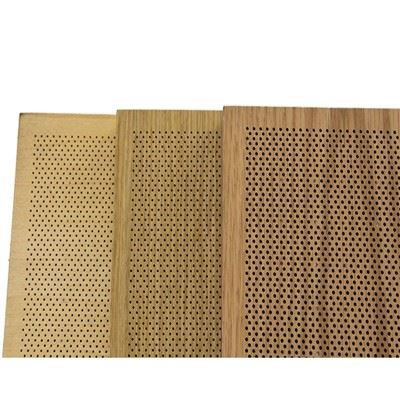
Wooden Acoustic Panels If you’ve been thinking about adding a private workspace solution to your office, don’t settle for a flimsy box. Let’s chat about what your office needs—we can help you figure out how many booths you need, what size will work best, and how to place them to get the most out of them. No sales pitch, no pressure, just straight talk about what works.
References
- Smith, A. et al. (2022). Acoustic performance of modular office workspaces: A comparative analysis of booths and open workstations. Journal of Workplace Ergonomics, 48(2), 112-127.
- Office Design Institute. (2023). Productivity impacts of dedicated quiet workspaces in open office environments. Annual Workplace Trends Report, 7, 45-52.
- Lee, M. & Patel, R. (2021). Sound transmission loss in modular acoustic enclosures for office use. Applied Acoustics, 178, 107982.
Guangzhou MQ Acoustic Materials Co., Ltd.
Guangzhou MQ Acoustic Materials Co., Ltd. is one of the most professional acoustic office booth manufacturers and suppliers in China, featured by quality products and low price. Welcome to buy CE approved acoustic office booth in stock here and get quotation from our factory. We also accept customized orders.
Address: Room D403, KeZhu Business Building, ZhuJi Road, TianHe District, GuangZhou, China
E-mail: Lizzy@mq-acoustics.com
WebSite: https://www.acoustic-projects.com/
