As a copper supplier with years of experience in the industry, I’ve witnessed firsthand the diverse applications and unique properties of various copper compounds. One such compound that has piqued the interest of many in different sectors is copper hydroxide. In this blog, I’ll delve into the properties of copper hydroxide, exploring its chemical, physical, and practical aspects. Copper

Chemical Properties
Composition and Structure
Copper hydroxide has the chemical formula Cu(OH)₂. It consists of one copper (Cu) atom, two oxygen (O) atoms, and two hydrogen (H) atoms. Structurally, it forms a layered structure where copper ions are surrounded by hydroxide ions. The copper atoms are in a +2 oxidation state, which is a common oxidation state for copper in many of its compounds. This structure gives copper hydroxide certain stability and reactivity characteristics.
Solubility
Copper hydroxide is sparingly soluble in water. Its solubility product constant (Ksp) is relatively low, which means that only a small amount of copper hydroxide will dissolve in water to form copper ions (Cu²⁺) and hydroxide ions (OH⁻). The solubility is also affected by factors such as pH. In acidic solutions, copper hydroxide will react with the acid to form soluble copper salts. For example, when it reacts with hydrochloric acid (HCl), the following reaction occurs:
Cu(OH)₂ + 2HCl → CuCl₂ + 2H₂O
This reaction shows that copper hydroxide can act as a base, reacting with acids to neutralize them and form salts and water.
Reactivity
Copper hydroxide is reactive with a variety of substances. It can react with reducing agents to form copper metal or lower oxidation state copper compounds. For instance, when heated with carbon monoxide (CO), it can be reduced to copper metal:
Cu(OH)₂ + CO → Cu + CO₂ + H₂O
It also reacts with ammonia (NH₃) to form a complex ion. The reaction is as follows:
Cu(OH)₂ + 4NH₃ → [Cu(NH₃)₄]²⁺ + 2OH⁻
This complex ion is deep blue in color and is often used in analytical chemistry to detect the presence of copper ions.
Physical Properties
Appearance
Copper hydroxide is a blue or bluish – green solid. The color can vary slightly depending on factors such as the particle size and the presence of impurities. It usually exists as a fine powder or a gelatinous precipitate. When freshly prepared, it often has a more vivid blue color, but over time, it may turn a bit greener due to oxidation or other chemical changes.
Density
The density of copper hydroxide is approximately 3.37 g/cm³. This relatively high density is characteristic of many metal hydroxides. The density can be useful in applications where the mass or volume of the compound needs to be accurately determined, such as in chemical manufacturing or in the preparation of solutions.
Melting and Decomposition
Copper hydroxide does not have a true melting point. Instead, it decomposes when heated. When heated to around 185 °C, it decomposes into copper(II) oxide (CuO) and water:
Cu(OH)₂ → CuO + H₂O
This decomposition reaction is an important aspect of its thermal properties and is often utilized in various industrial processes.
Practical Applications
Agricultural Use
One of the significant applications of copper hydroxide is in agriculture. It is used as a fungicide and bactericide. Copper hydroxide can effectively control a wide range of plant diseases, such as downy mildew, blight, and leaf spot. It works by releasing copper ions, which have antimicrobial properties. The copper ions can disrupt the cell membranes and metabolic processes of fungi and bacteria, preventing their growth and spread.
Pigment
Due to its blue – green color, copper hydroxide has been used as a pigment in the past. It can be used in paints, ceramics, and other artistic applications to provide a unique color. However, its use as a pigment has become somewhat limited in recent years due to the availability of more stable and less toxic synthetic pigments.
Catalyst
Copper hydroxide can also act as a catalyst in certain chemical reactions. It can promote reactions such as the oxidation of organic compounds. For example, it can be used in the oxidation of alcohols to aldehydes or ketones. The copper ions in copper hydroxide can facilitate the transfer of electrons during the reaction, increasing the reaction rate.
Importance for Our Business as a Copper Supplier
As a copper supplier, understanding the properties of copper hydroxide is crucial for several reasons. Firstly, it allows us to provide accurate information to our customers. Many of our customers are interested in using copper compounds for various applications, and being able to explain the properties of copper hydroxide helps them make informed decisions.
Secondly, the demand for copper hydroxide is related to the copper market. Since copper hydroxide is made from copper, any changes in the copper supply and price can affect the production and availability of copper hydroxide. By keeping an eye on the properties and applications of copper hydroxide, we can better anticipate market trends and adjust our business strategies accordingly.
Finally, it enables us to explore new business opportunities. As research continues to discover new applications for copper hydroxide, we can be at the forefront of providing the necessary raw materials. For example, if there is a growing demand for copper hydroxide in a new type of catalyst, we can work with our customers to develop and supply the product.
Conclusion
In conclusion, copper hydroxide is a fascinating compound with a range of chemical, physical, and practical properties. Its unique structure and reactivity make it useful in various fields, from agriculture to chemical manufacturing. As a copper supplier, I am excited about the potential of copper hydroxide and look forward to seeing how its applications will continue to expand in the future.
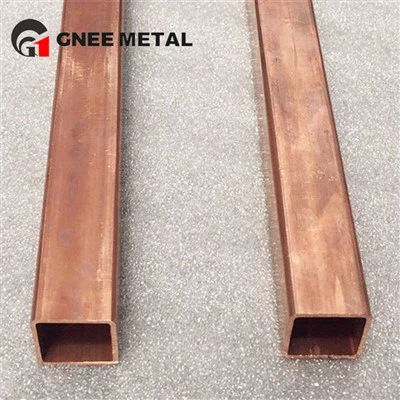
If you are interested in purchasing copper or copper compounds, including copper hydroxide, I encourage you to reach out to me. I can provide you with detailed information about our products, pricing, and availability. Let’s start a conversation and explore how we can meet your copper needs.
Copper References
- Housecroft, C. E., & Sharpe, A. G. (2012). Inorganic Chemistry. Pearson.
- Cotton, F. A., Wilkinson, G., Murillo, C. A., & Bochmann, M. (1999). Advanced Inorganic Chemistry. Wiley.
- Zumdahl, S. S., & Zumdahl, S. A. (2014). Chemistry. Cengage Learning.
Gnee Steel (Tianjin) Co., Ltd.
Gnee Steel (Tianjin) Co., Ltd. is one of the leading copper manufacturers and suppliers in China. We warmly welcome you to buy discount copper for sale here from our factory. All our products are with high quality and competitive price. Contact us for more cheap products.
Address: No.4-1114, Beichen Building, Beicang Town, Beichen District, Tianjin, China
E-mail: sales@gneemetal.com
WebSite: https://www.chinacopperalloys.com/
