Yo, what’s up everyone! I’m a supplier of Endocrine Metabolic Agents, and today I wanna chat about a super interesting topic: Do endocrine metabolic agents influence appetite? Endocrine Metabolic Agents
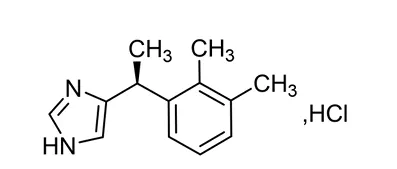
Let’s start by understanding what endocrine metabolic agents are. These are basically substances that can affect the body’s endocrine and metabolic systems. The endocrine system is like a communication network in our body, using hormones to send messages between different organs and tissues. Hormones play a crucial role in regulating various functions, including metabolism, growth, and yes, you guessed it, appetite.
Now, when it comes to appetite, it’s a complex mechanism. There are so many factors at play, like our emotions, the time of day, and of course, the signals our body sends based on its energy needs. Hormones are a big part of this signaling process. For example, ghrelin is often called the "hunger hormone." It’s produced in the stomach and sends a signal to our brain when we’re hungry, making us feel the urge to eat. On the other hand, leptin is known as the "satiety hormone." It’s released by fat cells and tells our brain that we’re full and can stop eating.
So, how do endocrine metabolic agents fit into this picture? Well, some of these agents can directly interact with the hormones involved in appetite regulation. Take certain medications used to treat diabetes, for instance. Some of them can affect the levels of insulin, a hormone that not only helps regulate blood sugar but also has an impact on appetite. When insulin levels are high, it can sometimes make people feel hungrier.
There are also agents that can target other parts of the appetite – regulating system. For example, some drugs can act on the hypothalamus, which is like the control center in our brain for regulating appetite. These drugs can either increase or decrease the signals sent from the hypothalamus, thus influencing how much we feel like eating.
In the weight – loss industry, a lot of research has been done on endocrine metabolic agents. Some supplements claim to boost metabolism and reduce appetite, which sounds like a dream come true for those looking to shed some pounds. But it’s important to note that not all of these claims are backed by solid scientific evidence.
Let’s look at some real – world examples. There are patients with certain endocrine disorders, like hypothyroidism. The thyroid gland produces hormones that regulate metabolism. When it’s underactive (hypothyroidism), metabolism slows down, and patients often experience weight gain and increased appetite. Endocrine metabolic agents can be used to treat hypothyroidism by replacing the missing thyroid hormones. As the thyroid function gets back to normal, the patient’s metabolism improves, and their appetite may also become more balanced.
Another case is in the treatment of polycystic ovary syndrome (PCOS). Women with PCOS often have hormonal imbalances that can lead to weight gain and increased appetite. Some endocrine metabolic agents can help regulate the hormones involved in PCOS, which in turn can have an impact on appetite and weight.
But here’s the thing, the effects of endocrine metabolic agents on appetite aren’t always straightforward. Everyone’s body is different, and the response to these agents can vary widely. For some people, a particular agent might significantly reduce their appetite, while for others, it might have little to no effect.
There are also potential side – effects to consider. Some endocrine metabolic agents can cause nausea, which might actually suppress appetite as a side – effect. However, this isn’t a healthy or sustainable way to control appetite. And in some cases, the side – effects can be more serious, like changes in blood sugar levels or liver function.
As a supplier of Endocrine Metabolic Agents, I’ve seen a growing interest in these products. Doctors and researchers are constantly looking for better ways to manage conditions related to metabolism and appetite. And patients are also more aware of the role that hormones play in their overall health and well – being.
If you’re in the medical field, whether you’re a doctor, a researcher, or a pharmacist, you know how important it is to have access to high – quality endocrine metabolic agents. These agents can be the key to helping your patients manage their conditions effectively. And if you’re a patient, it’s crucial to have a doctor who can guide you on the right use of these agents.
I’m here to provide you with the best – quality Endocrine Metabolic Agents. I work with top – notch manufacturers to ensure that all our products meet the highest standards of quality and safety. Whether you need agents for research purposes, clinical trials, or patient treatment, we’ve got you covered.
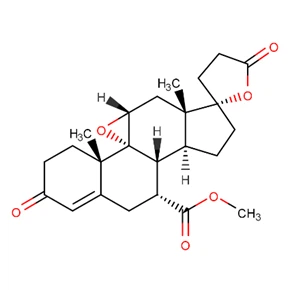
If you’re interested in learning more about our products or want to start a conversation about procurement, don’t hesitate to reach out. Let’s discuss how we can work together to meet your specific needs. You can contact me to start the ball rolling on this exciting journey.
Cardiovascular Agents References
- Guyton, A. C., & Hall, J. E. (2016). Textbook of medical physiology. Elsevier.
- Melmed, S., Polonsky, K. S., Larsen, P. R., & Kronenberg, H. M. (2016). Williams textbook of endocrinology. Elsevier.
- Bray, G. A. (2008). Obesity and the regulation of energy balance. Physiology & behavior, 94(1), 13-26.
HK Neopharm Limited
HK Neopharm Limited is one of the most professional endocrine metabolic agents manufacturers and suppliers in China, also supports customized service. Welcome to buy high quality endocrine metabolic agents in stock here and get quotation from our factory. For price consultation, contact us.
Address: Room W Unit 6086/f Metro Loft 38kwai Hei St Kwai Chung, Hong Kong
E-mail: sales@hkneopharm.com
WebSite: https://www.hkneopharm.com/
