Transporting a stockpot safely is a crucial concern for both suppliers like me and customers. As a stockpot supplier, I’ve encountered various situations related to stockpot transportation and have gained valuable insights into the best practices to ensure a stockpot reaches its destination in pristine condition. In this blog, I’ll share some in – depth and practical knowledge on how to achieve this. Stockpot

Understanding Stockpot Characteristics
Before delving into the transportation methods, it’s essential to understand the unique characteristics of stockpots. Most stockpots are made of materials such as stainless steel, cast iron, or aluminum. Each material has its own set of properties that can affect transportation.
Stainless steel stockpots are relatively light – weight, corrosion – resistant, and durable. However, they can be easily scratched during transit, which may affect their aesthetic appeal. Cast iron stockpots, on the other hand, are heavy and prone to chipping if not handled carefully. Aluminum stockpots are lightweight but can be dented easily.
The size of stockpots also varies significantly. Smaller stockpots may be easier to handle, but larger ones can be cumbersome and require more attention during transportation. The shape of the stockpot, whether it has a wide base or a narrow neck, can also influence the way they are packed and secured.
Pre – transportation Preparation
Inspection
Before packing a stockpot for transportation, a thorough inspection is necessary. Check for any pre – existing damages such as cracks, chips, or dents. If a stockpot is already damaged, it’s important to document it. This documentation can be useful in case of any disputes with the shipping carrier later. Count the number of stockpots and match them against the order details to ensure accuracy.
Cleaning
A clean stockpot is less likely to attract dirt and debris during transportation, which can cause scratches or other damages. Wash the stockpot with mild detergent and warm water, then dry it completely. This not only protects the stockpot but also maintains its hygiene, which is especially important for food – grade stockpots.
Protection of Surfaces
To prevent scratches and dents, it’s crucial to protect the surfaces of the stockpot. For stainless steel stockpots, apply a layer of protective film. This film acts as a barrier between the stockpot and any potential abrasive objects during transit. For cast iron stockpots, use a layer of soft foam or felt. Wrap the stockpot carefully with the chosen material, ensuring that all exposed surfaces are covered.
Securing Handles
Stockpot handles can be easily damaged during transportation. If the handles are detachable, remove them and pack them separately in a padded container. This reduces the risk of the handles getting bent or broken. If the handles are non – detachable, secure them with a soft strap or bubble wrap to prevent them from moving around and hitting other objects during transit.
Packaging Options
Individual Boxes
For small – to medium – sized stockpots, individual boxes are an ideal packaging solution. Choose boxes that are slightly larger than the stockpot to allow for some padding. Line the bottom and sides of the box with a thick layer of packing peanuts, crumpled paper, or bubble wrap. Place the stockpot gently in the center of the box and fill any remaining gaps with additional padding material. This ensures that the stockpot is well – cushioned and protected from any shocks during transportation.
Bulk Packaging for Multiple Stockpots
When shipping multiple stockpots, bulk packaging can be more cost – effective and efficient. Use a large, sturdy box or a wooden crate. Place a layer of padding at the bottom of the container. Stack the stockpots carefully, making sure to place a layer of padding between each stockpot. This prevents them from scratching or hitting each other. Fill the remaining spaces in the container with packing material to keep the stockpots stable.
Custom – made Packaging
For high – end or specialty stockpots, custom – made packaging may be the best option. This type of packaging is designed specifically to fit the shape and size of the stockpot. It can provide maximum protection and a more professional look. Custom – made packaging can be made from materials such as molded foam or corrugated cardboard with custom – cut inserts.
Choosing the Right Shipping Method
Ground Shipping
Ground shipping is a common and cost – effective option for transporting stockpots. It’s suitable for both local and long – distance deliveries. When choosing a ground shipping carrier, look for one with a good reputation for handling fragile items. Make sure the carrier offers tracking services so that you and your customer can monitor the progress of the shipment.
For ground shipping, the stockpots are usually transported in trucks. The trucks should be well – maintained and have proper shock – absorbing mechanisms to protect the cargo from bumps and vibrations on the road. If possible, choose a carrier that uses temperature – controlled trucks, especially if the stockpots are made of materials that can be affected by extreme temperatures.
Air Shipping
Air shipping is a faster option, especially for international or time – sensitive deliveries. However, it can be more expensive. When using air shipping, the stockpots need to be packed even more carefully due to the potentially rough handling during loading and unloading. The packaging should be able to withstand the pressure changes and vibrations associated with air travel.
Choose an airline or air freight carrier that has experience in shipping fragile and heavy items. Make sure to label the package clearly as "Fragile" and provide any necessary instructions to the carrier.
Freight Shipping
For large – scale orders or extremely large stockpots, freight shipping may be the most appropriate option. Freight shipping involves transporting goods in large containers or on pallets. When using freight shipping, the stockpots should be palletized. Stack the packed stockpots on a pallet and secure them with stretch wrap. This makes it easier to handle the stockpots using forklifts and reduces the risk of damage during loading and unloading.
Labeling and Documentation
Labeling
Proper labeling is essential for safe transportation. Label each package clearly with the words "Fragile" and "Handle with Care". Indicate the orientation of the stockpot, if applicable. For example, if the stockpot has a lid that needs to be kept on top, mark the package accordingly. Include the recipient’s address and contact information, as well as your return address.
Documentation
Accurate documentation is also crucial. Prepare a detailed packing list that includes the number of stockpots, their sizes, and any other relevant information. Provide the shipping carrier with a bill of lading, which serves as a contract between you and the carrier. This document outlines the terms and conditions of the shipment, including liability in case of damage or loss.
Handling at Destination
When the stockpot arrives at its destination, it’s important to handle it properly. The recipient should inspect the package for any signs of damage before accepting it. If there are visible damages, the recipient should document them and notify the shipping carrier immediately.
Once the package is opened, the stockpot should be carefully removed from the packaging. Check the stockpot again for any hidden damages. If the stockpot is in good condition, store it properly until it’s ready to be used.
In conclusion, transporting a stockpot safely requires careful planning and attention to detail. From understanding the stockpot’s characteristics to choosing the right shipping method and handling at the destination, every step plays a crucial role in ensuring that the stockpot arrives in perfect condition.
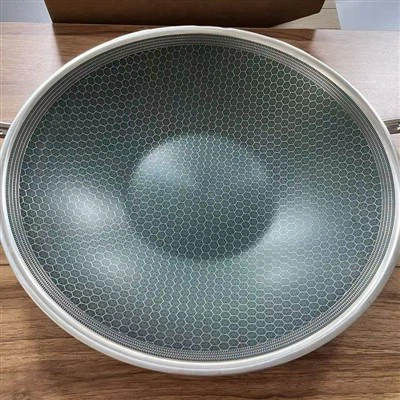
As a stockpot supplier, I’m committed to providing high – quality stockpots and ensuring their safe transportation. If you’re interested in purchasing our stockpots or have any questions regarding stockpot transportation, I encourage you to reach out for a procurement discussion. We’ll be happy to assist you with all your stockpot needs.
Wok References
- Packaging and Shipping Handbook for Fragile Items
- Best Practices in Freight and Logistics for Kitchenware
- Guidelines for Safe Transportation of Metal Products
Zhejiang Nanyue Kitchenware Co., Ltd.
We’re well-known as one of the leading stockpot manufacturers and suppliers in China, also support customized service. Please feel free to buy high quality stockpot made in China here and get pricelist from our factory. For price consultation, contact us.
Address: Located inside Zhejiang Jialiyuan Industry and Trade Co., Ltd. (Nanyue Kitchenware) in Jiangbin Industrial Zone, Tongqin Town, Wuyi County, Zhejiang Province.
E-mail: nanyuekitchenware@zj-jlypans.com
WebSite: https://www.nanyuecook.com/
