Hey there! I’m a supplier of corrugated transformer tanks, and I often get asked about the requirements for labeling on these tanks. So, I thought I’d take a few minutes to share what I know. Corrugated Transformer Tank
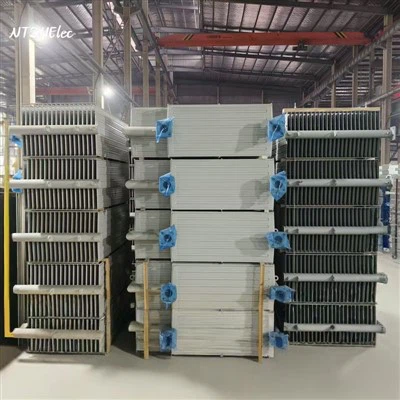
First off, let’s talk about why labeling is so important. Labels on corrugated transformer tanks are like a user manual. They provide crucial information that helps in the proper installation, operation, maintenance, and safety of the transformer. Without clear and accurate labeling, it can be really tough for technicians and operators to do their jobs correctly, and that can lead to some serious problems.
General Information Labels
The most basic requirement is to have general information about the transformer clearly labeled on the tank. This includes the nameplate, which is usually located in a prominent place on the tank. The nameplate should have details like the transformer’s rated power (in kVA or MVA), voltage ratings (both primary and secondary), frequency, and the manufacturer’s name and logo.
I remember one time, we supplied a tank to a customer, and the nameplate was a bit smudged. The installation team had a hard time reading the voltage ratings, and it caused a delay in the installation process. We quickly sent a replacement nameplate, but it could have been avoided if the original label had been more durable. So, make sure the nameplate is made of a material that can withstand the elements and normal wear and tear.
Safety Labels
Safety is a huge deal when it comes to transformers, and the labels on the tank play a big role in keeping everyone safe. There should be labels indicating the presence of high voltage. These labels are usually bright in color, like yellow or red, and have bold text that says something like "Danger – High Voltage."
We also need to label any areas where there might be a risk of electrical shock or other hazards. For example, if there are access panels that need to be opened with special tools or procedures, there should be a label saying so. And if there are any parts of the tank that get hot during operation, a "Hot Surface" label should be there to warn people.
One of my customers once told me about an incident where a technician accidentally touched a hot part of the transformer because there was no warning label. Fortunately, it was just a minor burn, but it could have been much worse. That’s why these safety labels are so important.
Fluid and Cooling System Labels
Most corrugated transformer tanks use some kind of fluid for insulation and cooling, like mineral oil. There should be labels indicating the type of fluid used in the tank. This is important because different fluids have different properties and handling requirements.
For example, if the fluid is flammable, there should be a label warning about the fire risk. And if the fluid needs to be replaced or topped up at certain intervals, there should be a label with the recommended maintenance schedule.
The cooling system also needs to be labeled. If the transformer has a forced-air or forced-oil cooling system, the labels should indicate how to operate and maintain these systems. This includes information about the fans, pumps, and any control settings.
I’ve seen cases where the cooling system labels were missing, and the operators didn’t know how to start the fans or adjust the flow rate of the oil. This led to overheating of the transformer, which could have damaged the equipment. So, make sure all the fluid and cooling system labels are in place.
Environmental and Regulatory Labels
In today’s world, environmental regulations are a big deal. The labels on the corrugated transformer tank should comply with all the relevant environmental and safety regulations.
For example, if the transformer contains any hazardous materials, there should be a label indicating what those materials are and how to handle them properly. There might also be labels related to the disposal of the transformer at the end of its life.
We have to stay on top of all these regulations because different regions have different requirements. One time, we shipped a tank to a new area, and we didn’t realize that they had stricter environmental labeling requirements. We had to go back and add some additional labels, which cost us time and money. So, it’s important to do your research and make sure you’re meeting all the local regulations.
Installation and Connection Labels
The tank should also have labels that help with the installation and connection of the transformer. There should be labels indicating where the incoming and outgoing cables should be connected. These labels should be clear and easy to understand, even for someone who is not an experienced electrician.
There might also be labels showing the correct orientation of the tank during installation. For example, if the tank has to be installed at a certain angle for proper drainage, there should be a label indicating that.
I had a customer who was trying to install a transformer on their own, and they got confused about the cable connections because the labels were not clear. They ended up calling us for help, and we had to walk them through the process over the phone. So, good installation and connection labels can save a lot of hassle.
Quality and Durability of Labels
The quality of the labels is just as important as the information on them. The labels should be made of a material that can withstand the environmental conditions where the transformer will be installed.
If the transformer is going to be outdoors, the labels need to be weather-resistant. They should not fade, peel, or crack due to exposure to sunlight, rain, or extreme temperatures. We usually use labels that are made of a high-quality vinyl or polyester material, which are known for their durability.
The text on the labels should also be large and clear enough to be read from a reasonable distance. We don’t want people having to squint or use a magnifying glass to read the information.
Customization of Labels
Sometimes, customers have specific requirements for the labels on the corrugated transformer tank. Maybe they want to add their company logo or some additional information that is relevant to their operation.
We’re happy to offer customization services for the labels. We work with our customers to understand their needs and create labels that meet their specifications. This way, the transformer tank can be tailored to their specific requirements.
Conclusion

Well, that’s a pretty comprehensive look at the requirements for labeling on a corrugated transformer tank. As a supplier, I know how important it is to get these labels right. They not only ensure the proper operation and safety of the transformer but also help in meeting all the regulatory requirements.
Power Transformer Oil Tank If you’re in the market for a corrugated transformer tank and have any questions about the labeling requirements or anything else, don’t hesitate to reach out. We’re here to help you find the right solution for your needs. Just drop us a message, and we’ll get back to you as soon as possible. Let’s work together to get you the best transformer tank for your project!
References
- Electrical Safety Standards Handbook
- Transformer Installation and Maintenance Guidelines
- Environmental Regulations for Electrical Equipment
Nantong Zhihe Electric Co., Ltd.
As one of the most professional corrugated transformer tank manufacturers and suppliers in China, we’re featured by quality products and low price. Please rest assured to wholesale cheap corrugated transformer tank made in China here from our factory. Customized orders are welcome.
Address: NO.202 Jianghai West Road, Hai’an Town, Hai’an City, Jiangsu Province
E-mail: colt.ntzh@gmail.com
WebSite: https://www.ntzhelectric.com/
