In the world of food products, syrup bottles hold a crucial place. They are not just containers; they are the guardians of the delicious syrups we all love. As a syrup bottle supplier, I understand the importance of ensuring that these bottles are not only aesthetically pleasing but also highly durable. In this blog, I will share my insights on how to make a syrup bottle more durable, touching on aspects of material selection, design, and manufacturing processes. Syrup Bottle
Material Selection
The choice of material is the first and most fundamental step in creating a durable syrup bottle. Different materials offer various properties that can significantly impact the bottle’s durability.
Glass Bottles
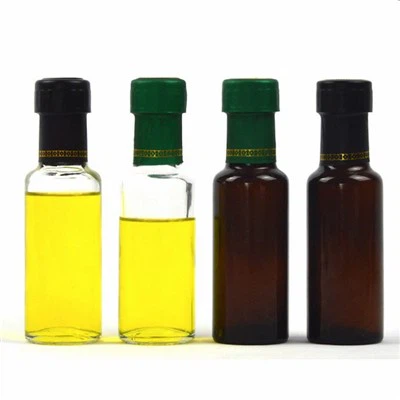
Glass has long been a popular choice for syrup bottles due to its excellent barrier properties. It is impermeable to gases and moisture, which helps to preserve the quality and flavor of the syrup inside. Glass is also resistant to chemical reactions, making it suitable for storing a wide range of syrups, including those with acidic or alkaline components.
However, glass is brittle and can break easily if dropped or mishandled. To enhance its durability, we can use tempered glass. Tempered glass is treated with heat or chemicals to increase its strength. When it does break, it shatters into small, rounded pieces rather than sharp shards, reducing the risk of injury. Another option is laminated glass, which consists of two or more layers of glass bonded together with a plastic interlayer. This design not only strengthens the bottle but also prevents it from completely shattering when broken.
Plastic Bottles
Plastic bottles are lightweight, cost – effective, and less prone to breakage compared to glass. Polyethylene terephthalate (PET) is one of the most commonly used plastics for syrup bottles. It is strong, transparent, and has good barrier properties against oxygen and carbon dioxide.
To make PET bottles more durable, we can increase the wall thickness. However, this needs to be balanced with cost and environmental concerns. Another approach is to use multilayered plastic bottles. By combining different types of plastics with complementary properties, we can create a bottle that is more resistant to impact, puncture, and chemical attack. For example, a layer of ethylene – vinyl alcohol (EVOH) can be added as a barrier layer to improve oxygen and moisture resistance.
Metal Bottles
Metal bottles, such as those made of aluminum or stainless steel, offer high durability and excellent protection. Aluminum is lightweight, corrosion – resistant, and can be easily shaped into various bottle designs. Stainless steel is even more robust and can withstand harsh environments.
To prevent corrosion and maintain the appearance of metal bottles, a protective coating can be applied. This coating can also improve the bottle’s resistance to scratches and dents. Additionally, proper sealing mechanisms need to be in place to ensure that the syrup inside is well – protected.
Design Considerations
The design of the syrup bottle also plays a vital role in its durability. A well – designed bottle can better withstand external forces and stresses during handling and storage.
Shape and Structure
The shape of the bottle can affect its strength. Bottles with a cylindrical or oval shape are generally more stable and can distribute stress more evenly compared to irregularly shaped bottles. Reinforcing ribs or ridges can be added to the bottle’s surface to increase its structural integrity. These ribs can help to prevent the bottle from collapsing under pressure and also improve its resistance to impact.
The base of the bottle is another critical area. A wide and stable base reduces the risk of the bottle tipping over, which can lead to damage. Additionally, the base can be designed with a concave or ribbed pattern to enhance its grip on surfaces and further improve stability.
Neck and Cap Design
The neck of the bottle should be designed to fit the cap securely. A loose – fitting cap can lead to leakage, which not only wastes the syrup but also exposes it to air and contaminants. The thread design on the neck and cap should be precise to ensure a tight seal.
The cap itself should be made of a durable material. For plastic caps, reinforced polymers or multi – component designs can be used to increase strength. Some caps also feature tamper – evident mechanisms, which not only protect the consumer but also add an extra layer of security to the bottle.
Manufacturing Processes
The manufacturing process can have a significant impact on the durability of the syrup bottle.
Molding Techniques
For plastic and glass bottles, the molding process is crucial. In injection molding for plastic bottles, proper control of temperature, pressure, and cooling time is essential to ensure uniform wall thickness and a strong structure. Any defects in the molding process, such as uneven distribution of material, can weaken the bottle.
In glassblowing, skilled artisans need to carefully shape the glass to create a bottle with consistent thickness and strength. Automated glass – molding machines can also be used to ensure high precision and quality control.
Quality Control
Throughout the manufacturing process, strict quality control measures should be in place. This includes checking the physical properties of the materials, such as strength and thickness, as well as inspecting the bottles for any visible defects, such as cracks or bubbles.
Non – destructive testing methods, such as ultrasonic testing and X – ray inspection, can be used to detect internal defects that may not be visible to the naked eye. By identifying and removing defective bottles early in the process, we can ensure that only high – quality and durable bottles are delivered to our customers.
Conclusion
Making a syrup bottle more durable is a multi – faceted process that involves careful material selection, thoughtful design, and precise manufacturing. As a syrup bottle supplier, I am committed to providing our customers with bottles that not only meet their aesthetic and functional needs but also stand the test of time.

If you are in the market for high – quality and durable syrup bottles, I invite you to reach out to us for a discussion. We are ready to work with you to find the best solutions for your syrup packaging needs.
Whiskey Bottle References:
- "Packaging Technology" by Colin R. Harding
- "Handbook of Plastic Films" edited by John Memis
- "Glass Packaging Materials: Science and Technology" by Zsuzsa Kardos
Aohui Packaging Products Co., Ltd.
We’re well-known as one of the leading syrup bottle manufacturers in China, also support custom service. Please feel free to wholesale customized syrup bottle at competitive price from our factory. Welcome to view our website for more information.
Address: Baisheng Building, Zhongshan Road, Shinan District, Qingdao
E-mail: aohuipack@qq.com
WebSite: https://www.ahglassbottle.com/
