Hey there! As a supplier of low – voltage power cables, I get a ton of questions from our clients. One of the most common queries is about the bend radius of low – voltage power cables. So, I thought I’d take some time to break it down for you. Power Cable Low Voltage
First off, what exactly is the bend radius? Well, think of it as the smallest radius a cable can be bent around without causing any major damage. You can picture it like trying to curve a piece of string around a circle. There’s a limit to how tight that circle can be before the string starts to kink or break. For low – voltage power cables, this limit is super important.
Why is the bend radius so crucial? When a cable is bent beyond its recommended bend radius, a whole bunch of bad things can happen. The insulation, which is there to keep the electrical current flowing safely, can get damaged. This can lead to short – circuits, power outages, and in the worst – case scenario, even fires. And nobody wants that!
The bend radius of a low – voltage power cable isn’t a one – size – fits – all kind of deal. It depends on several factors. The first and most obvious one is the cable’s size. Generally speaking, larger cables have a larger bend radius. That makes sense, right? A thick cable is less flexible than a thin one. For example, a small – gauge low – voltage cable might have a bend radius of around 4 times its cable diameter, while a larger one could be 10 times or more.
The type of insulation also plays a big role. Some insulations are more flexible than others. For cables with a very soft and pliable insulation material, you can probably get away with a smaller bend radius. On the other hand, if the insulation is rigid, you’ll need to go with a larger radius to avoid cracking or breaking it.
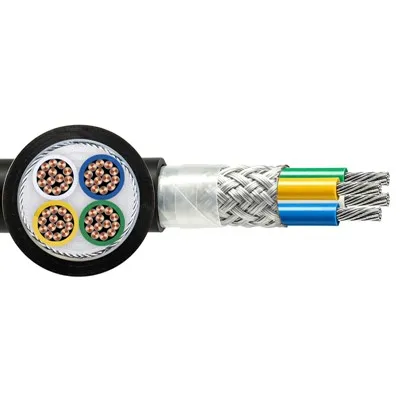
The construction of the cable matters too. Cables with multiple conductors or those with special shielding are often more rigid. They require a larger bend radius to prevent damage to the individual conductors inside. If you try to bend a multi – conductor cable too tightly, the conductors can get twisted or pinched, which messes up the electrical performance.
Let’s talk about how manufacturers figure out the bend radius for a particular cable. They do a bunch of tests in the lab. They start by bending the cable around different sized mandrels (kind of like rods). They keep an eye on things like the electrical resistance of the cable, the integrity of the insulation, and any signs of physical damage. Once they find the smallest radius where everything still works okay, that becomes the recommended bend radius.
As a supplier, I always make sure to provide our clients with the correct bend radius information for each type of cable we sell. We include it in the product specifications, and our sales team is always ready to answer any questions. Because if our clients don’t install the cables correctly, it’s going to cause problems down the line.
Now, I know what you’re thinking. How do you actually make sure you’re bending the cable to the right radius? Well, there are a few tools out there that can help. One of the simplest ones is a bend radius gauge. It’s basically a tool with different sized curves on it. You just compare the curve of the cable you’re bending to the curves on the gauge to see if you’re within the right range.
There are also some general rules of thumb that you can follow during installation. For example, always give the cable some extra slack when you’re routing it. That way, you don’t have to force it into tight spaces. And if you’re using a cable tray, make sure the corners are rounded so the cable doesn’t get bent too sharply.
If you’re working on a project where the cables have to go through a lot of bends, it might be worth considering using more flexible cables. These cables are designed to have a smaller bend radius, which makes them easier to install in tight spaces. But remember, they might cost a bit more than the standard ones.
Another thing to keep in mind is that the bend radius requirements can change depending on the environment. For instance, if the cable is going to be exposed to high temperatures, the insulation can become softer and more prone to damage. So, in that case, you might need to go with a larger bend radius to be on the safe side.
At our company, we’ve seen all sorts of cable installation mistakes over the years. One time, a client tried to install a large – gauge cable in a really tight space without checking the bend radius. Sure enough, within a few weeks, they started having problems with power fluctuations. When they called us in to take a look, we found that the insulation had cracked because of the tight bend. We had to replace the cable, which cost them a lot of time and money.
So, if you’re in the market for low – voltage power cables, don’t overlook the bend radius. It’s a small detail, but it can make a huge difference in the performance and safety of your electrical system. And if you have any questions about bend radii or any other aspect of our cables, don’t hesitate to get in touch. We’re here to help you make the right choices for your project. Whether you’re working on a small residential job or a large commercial installation, we’ve got the cables and the expertise to meet your needs.
Reach out to us if you’re interested in discussing your cable requirements further. We’d love to have a chat with you and see how we can support your project. Let’s work together to ensure your electrical system runs smoothly and safely.
Data Communication Cable References:
- Industry standards on low – voltage power cable installation
- Manufacturer’s technical guides for low – voltage cables
- Past case studies on cable installations and failures
Yangzhou Huayu Cable Co., Ltd.
Yangzhou Huayu Cable Co., Ltd. is one of the most professional power cable low voltage manufacturers and suppliers in China, also supports customized service with low price. Please feel free to wholesale advanced power cable low voltage made in China here from our factory. Contact us for pricelist.
Address: No. 9 Jingang Road, Yangzhou City, Jiangsu Province, China
E-mail: huayucableco@126.com
WebSite: https://www.huayucabletech.com/
