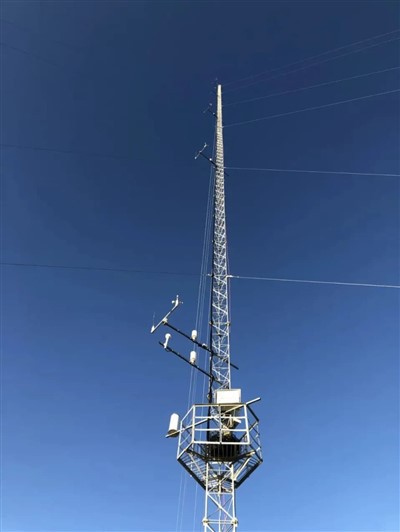
In the era of digitalization and constant connectivity, mobile networks have become the nerve – center of modern society. We rely on them for everything from simple text messages and calls to high – speed internet access, video conferencing, and immersive gaming experiences. At the heart of these robust mobile networks are communication towers. As a seasoned communication towers supplier, I am excited to share insights into how these vital structures support mobile networks. Communication Towers
The Basics of Mobile Network Operation
Before delving into the role of communication towers, it’s essential to understand the fundamental operation of mobile networks. Mobile networks are based on a concept of cellular technology. The coverage area of a mobile network is divided into multiple small regions called cells, each served by a base station. A base station is a site where equipment is installed to communicate with mobile devices within that cell.
When you make a call or send data from your mobile phone, it sends a signal to the nearest base station. The base station then routes the signal through the network infrastructure, which may involve other base stations, switches, and core network components, until it reaches its destination. This seamless process is made possible with the help of communication towers.
Structural and Functional Roles of Communication Towers
Elevation and Coverage Expansion
One of the primary roles of communication towers is to provide elevation. By elevating the base station equipment, towers increase the coverage area of the mobile network. Signals emitted from a higher point can travel farther and penetrate through obstacles more effectively. For example, in a flat area, a tower can extend the coverage of a cell by tens of kilometers. This is particularly crucial in rural and sparsely populated regions where low – lying equipment may not cover large areas.
In urban environments, tall buildings and other structures can block the signals. Communication towers are strategically placed to overcome these obstacles. They are often located on rooftops or in open areas to ensure that the signals can reach mobile devices inside buildings and across city blocks.
Support for Multiple Antennas
Modern base stations use multiple antennas to transmit and receive signals more efficiently. Communication towers are designed to support these antennas. Different types of antennas, such as omnidirectional and directional antennas, are installed on the towers. Omnidirectional antennas radiate signals in all directions, which is useful for providing general coverage in a circular area around the tower. Directional antennas, on the other hand, focus the signal in a specific direction, which can be used to target a particular area, such as a business district or a residential complex.
Our company specializes in providing towers that can accommodate a large number of antennas. We understand the evolving needs of mobile network operators and engineer our towers to support the latest antenna technologies. The spacing and orientation of the antennas on the tower are carefully planned to minimize interference and maximize the performance of the mobile network.
Signal Strength and Quality Improvement
Towers help in improving the signal strength and quality. The higher the tower, the more power the antennas can transmit without significant signal loss. Moreover, the design of the tower and the installation of the antennas play a crucial role in optimizing the signal propagation. By using advanced engineering techniques, we ensure that our towers can enhance the signal strength and reduce the noise and interference.
In addition, communication towers are equipped with signal boosters and repeaters. Signal boosters amplify the incoming weak signals and re – transmit them, extending the coverage range. Repeaters receive the signals from one antenna and re – transmit them on another frequency, which can help in overcoming signal blockages and improving the overall quality of the mobile network.
Tower Types and Their Suitability for Different Network Requirements
Lattice Towers
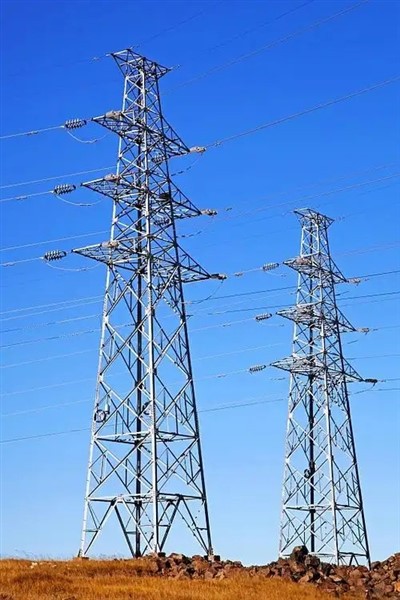
Lattice towers are a classic type of communication tower. They are made of a framework of steel bars, which are connected to form a lattice structure. Lattice towers are known for their high strength and stability. They can support a large number of antennas and heavy equipment. These towers are suitable for areas where high – capacity base stations are required, such as in large cities or industrial areas.
Our lattice towers are designed with precision to meet the specific requirements of mobile network operators. We use high – quality steel and advanced manufacturing techniques to ensure the durability and reliability of our lattice towers. They can withstand harsh weather conditions, including strong winds, heavy snow, and earthquakes.
Monopole Towers
Monopole towers are single – pole structures that offer a more aesthetically pleasing alternative to lattice towers. They are often used in urban and suburban areas where visual impact needs to be minimized. Monopole towers are relatively easy to install and require less space compared to lattice towers.
We offer a range of monopole towers with different heights and load – bearing capacities. Our monopole towers are engineered to provide excellent support for antennas and other base station equipment. They are also designed to be corrosion – resistant, ensuring a long service life.
Guyed Towers
Guyed towers are supported by guy wires that are attached to the ground at a distance from the tower. These towers are cost – effective and can be built to great heights. Guyed towers are suitable for areas where land is limited or where a high – elevation tower is required.
Our guyed towers are designed with safety in mind. We carefully calculate the tension of the guy wires and ensure that the tower is properly anchored to the ground. This ensures the stability of the tower and the reliable operation of the mobile network.
The Importance of Tower Maintenance and Upgrades
Maintaining communication towers is crucial for the continuous and reliable operation of mobile networks. Regular maintenance includes checking the structural integrity of the tower, inspecting the antennas and cables, and ensuring the proper functioning of the signal boosters and repeaters.
We offer comprehensive maintenance services for our communication towers. Our team of experienced technicians conducts regular inspections and performs necessary repairs and replacements. We also use advanced monitoring systems to detect any potential issues before they cause significant problems.
In addition to maintenance, tower upgrades are also essential to keep up with the evolving technology of mobile networks. As the demand for higher data speeds and more reliable connections increases, mobile network operators need to upgrade their base station equipment. Our company provides support for tower upgrades, including the installation of new antennas and the modification of the tower structure to accommodate the new equipment.
Environmental Considerations
In the process of building and operating communication towers, environmental considerations are of utmost importance. We are committed to minimizing the impact of our towers on the environment. Our towers are designed to use less energy, and we use sustainable materials in their construction.
We also take into account the impact on wildlife. We ensure that our tower installations do not disrupt the natural habitats of birds and other animals. For example, we use bird – friendly designs and avoid installing towers in areas that are critical for wildlife migration.
Conclusion: Partnering for Mobile Network Success
Communication towers are the backbone of modern mobile networks. They play a crucial role in providing wide coverage, high – quality signals, and reliable connectivity. As a leading communication towers supplier, we are dedicated to providing the best – in – class towers and services to support mobile network operators.
Whether you are looking to expand your network coverage, improve signal quality, or upgrade your existing infrastructure, we have the expertise and the products to meet your needs. Our team of engineers and technicians is always ready to work with you to design and install the most suitable communication towers for your specific requirements.
Electrical Tower Stand If you are interested in learning more about our communication towers and how they can support your mobile network, we invite you to contact us for a procurement consultation. We look forward to the opportunity to partner with you and contribute to the success of your mobile network.
References
- Andrews, J. G., Buzzi, S., Choi, W., Hanly, S. V., Lozano, A., Soong, A. C. K., & Zhang, J. C. (2014). What will 5G be? IEEE Journal on Selected Areas in Communications, 32(6), 1065 – 1082.
- Rappaport, T. S., Sun, S., Mayzus, R., Zhao, H., Azar, Y., Wang, K., … & Heath, R. W. (2013). Millimeter wave mobile communications for 5G cellular: It will work! IEEE Access, 1, 335 – 349.
- Telecommunications Industry Association. (2019). ANSI/TIA – 222 – H: Structural Standard for Steel Antenna Towers and Antenna Supporting Structures.
Hebei Yifeng Steel Structure Co., Ltd.
As one of the most professional communication towers manufacturers and suppliers in China, we offer a wide range of products with superior quality. Please feel free to buy cost-efficient communication towers for sale here from our factory. Contact us for more details.
Address: Guangchuan Town Industrial Zone, Jing County, Hengshui City, Hebei Province
E-mail: hbyfgjg@163.com
WebSite: https://www.yf-powertowers.com/
