Hey there, folks! I’m a supplier of Pretreatment Auxiliaries, and today I wanna chat about the role these little helpers play in the degreasing process. Pretreatment Auxiliaries

Let’s get real. The degreasing process is super important in a whole bunch of industries, from metalworking to automotive manufacturing. You see, before you can do things like painting, plating, or coating a surface, you gotta make sure it’s clean. And that means getting rid of all the grease, oil, dirt, and other gunk that might be hanging around. That’s where Pretreatment Auxiliaries step in.
The Basics of Degreasing
First off, a quick rundown on degreasing. The main goal is to break the bond between the contaminants (like grease and oil) and the surface. Grease is sneaky stuff – it clings to surfaces and can mess up the adhesion of coatings or finishes down the line. Without proper degreasing, you might end up with a paint job that chips easily or a plating that doesn’t stick right.
There are different methods of degreasing, like solvent degreasing, aqueous degreasing, and ultrasonic degreasing. Each method has its own advantages and disadvantages, but no matter which one you choose, Pretreatment Auxiliaries can make the process way more effective.
The Role of Pretreatment Auxiliaries
Emulsification
One of the key roles of Pretreatment Auxiliaries in degreasing is emulsification. Auxiliaries that act as emulsifiers help to break down large oil and grease droplets into smaller ones. These smaller droplets can then be dispersed evenly throughout the cleaning solution. This is a big deal because it prevents the oil and grease from re – depositing on the surface.
Let me give you an example. Imagine you’re trying to clean a metal part that’s covered in heavy machine oil. Just using water by itself isn’t gonna cut it. But if you add an emulsifying Pretreatment Auxiliary to the water, it’ll start to break up that thick oil layer. The auxiliary has molecules with two ends – one end is attracted to water (hydrophilic) and the other is attracted to oil (lipophilic). This causes the oil to form tiny droplets surrounded by the auxiliary molecules, which can then be easily rinsed away.
Wetting
Wetting agents are another type of Pretreatment Auxiliary. Their job is to reduce the surface tension of the cleaning solution. When you’re trying to clean a surface, the cleaning solution needs to be able to spread out and cover the entire area. If the surface tension is too high, the solution might just bead up on the surface, leaving parts of it untouched.
For instance, think of a car engine block. It has lots of nooks and crannies, and getting the degreasing solution into all those hard – to – reach places is crucial. A wetting agent in the Pretreatment Auxiliary allows the solution to spread and penetrate these areas more effectively. It’s like giving the cleaning solution super – powers to get into all the little spaces where the grease is hiding.
Saponification
Some Pretreatment Auxiliaries can also cause saponification. Saponification is the process of converting fats (grease is a type of fat) into soap. When you add an alkaline Pretreatment Auxiliary to a degreased solution, it reacts with the grease to form a soap – like substance. This soap is much easier to dissolve and wash away compared to the original grease.
This is especially useful in industries where you’re dealing with natural fats and oils. For example, in the food processing industry, equipment often gets coated with animal fats or vegetable oils. Using a Pretreatment Auxiliary that can cause saponification can make the degreasing process a whole lot simpler and more efficient.
Corrosion Inhibition
While the main focus of the degreasing process is to clean the surface, we also don’t want to damage it in the process. That’s where corrosion inhibitors in Pretreatment Auxiliaries come in. These inhibitors form a protective layer on the surface of the material being cleaned.
Let’s say you’re degreasing a metal part. Some cleaning solutions can be a bit harsh and might start to corrode the metal if left on for too long. But if you use a Pretreatment Auxiliary with a corrosion inhibitor, it’ll protect the metal from the corrosive effects of the cleaning solution. This means the part stays in good condition and is ready for the next step in the manufacturing process.
Benefits of Using the Right Pretreatment Auxiliaries
Improved Cleaning Efficiency
Using the right Pretreatment Auxiliaries can significantly improve the cleaning efficiency of the degreasing process. By breaking down grease and oil more effectively, the cleaning time can be reduced. This is a huge plus for industries that are looking to increase their production speed. For example, in a large – scale automotive manufacturing plant, reducing the degreasing time even by a few minutes can lead to a substantial increase in overall production output.
Cost Savings
Properly chosen Pretreatment Auxiliaries can also lead to cost savings. Since they make the degreasing process more efficient, you can use less cleaning solution. Additionally, because they help prevent corrosion, you can extend the lifespan of your equipment and parts. This means less money spent on replacing damaged equipment and more money in your pocket.
Environmental Friendliness
Many modern Pretreatment Auxiliaries are designed to be more environmentally friendly. They’re made from biodegradable materials and have lower levels of harmful chemicals. Using these types of auxiliaries not only helps you meet environmental regulations but also shows that your company is committed to sustainability. This can be a big selling point for customers who are environmentally conscious.
Choosing the Right Pretreatment Auxiliaries
Now, I know what you’re thinking – "How do I choose the right Pretreatment Auxiliaries for my degreasing process?" Well, it depends on a few factors.
Type of Contaminant
First, you need to consider the type of grease or oil you’re dealing with. Is it a light, vegetable – based oil or a heavy, petroleum – based grease? Different Pretreatment Auxiliaries work better on different types of contaminants. For example, if you’re dealing with a lot of animal fats, an auxiliary that can cause saponification might be your best bet.
Material of the Surface
The material of the surface you’re cleaning is also important. Different materials react differently to cleaning solutions. For example, aluminum is more prone to corrosion than stainless steel, so you’ll need to choose a Pretreatment Auxiliary with a strong corrosion inhibitor if you’re cleaning aluminum parts.
Cleaning Method
The cleaning method you’re using also affects your choice of auxiliaries. If you’re using an ultrasonic degreasing method, you might need an auxiliary that’s specifically formulated to work well in an ultrasonic environment.
Our Range of Pretreatment Auxiliaries
As a supplier of Pretreatment Auxiliaries, we’ve got a wide range of products to meet your degreasing needs. We’ve spent years researching and developing formulas that are not only effective but also easy to use.
Our emulsifying agents are top – notch at breaking down even the toughest grease and oil. They disperse the contaminants so well that you’ll notice a big difference in the cleanliness of your surfaces. And our wetting agents ensure that the cleaning solution gets into all those hard – to – reach places, giving you a thorough clean.
We also offer corrosion inhibitors that are suitable for various materials. Whether you’re cleaning iron, copper, or aluminum, we’ve got an auxiliary that’ll protect your parts from corrosion during the degreasing process.
Get in Touch
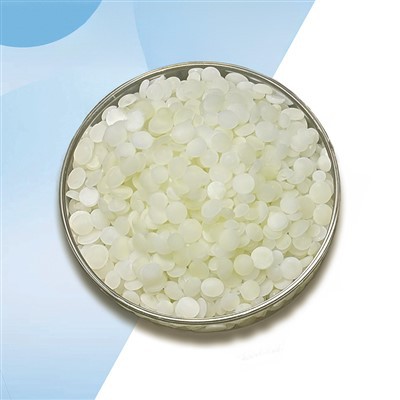
If you’re looking to improve your degreasing process and want to learn more about our Pretreatment Auxiliaries, don’t hesitate to get in touch. We’re here to help you find the perfect solutions for your specific needs. Whether you’re a small – scale workshop or a large industrial facility, we’ve got the products and expertise to make your degreasing process more efficient, cost – effective, and environmentally friendly.
Leveling Agent Let’s work together to take your degreasing process to the next level!
References
- Smith, J. (2018). "Advances in Degreasing Technology". Journal of Industrial Cleaning.
- Johnson, M. (2019). "The Role of Chemical Auxiliaries in Surface Pretreatment". Industrial Manufacturing Review.
- Brown, A. (2020). "Environmental Considerations in Degreasing Processes". Green Industry Magazine.
Nanfeng Dasun Technology Co., Ltd.
As one of the leading pretreatment auxiliaries manufacturers and suppliers in China, we offer a wide range of products with superior quality for industrial. Please rest assured to buy bulk pretreatment auxiliaries made in China here from our factory. Contact us for more details.
Address: Nanfeng Industrial Park, Nanfeng County, Fuzhou City, Jiangxi Province, China
E-mail: Inquiry@honechem.com
WebSite: https://www.honechem.org/
