Hey there, fellow blanket lovers, Double Layer Blanket
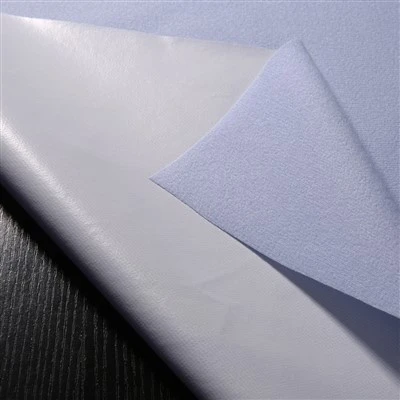
If you’ve ever spent a chilly evening wrapped in a double layer blanket, you’ve probably had a tiny debate with yourself at least once: which side is the right side? I’m the owner of a small, family-run double layer blanket supplier, and I get this question all the time from customers scrolling our online shop, popping into our warehouse showroom, or even striking up a conversation at local farmers’ markets. “Does this thing have a reversible side?” “Will one side keep me warmer than the other?” “Can I flip it anytime and still get the same cozy feel?”
Today, I’m not just here to give you a quick, simple answer— I want to break this down like the blanket nerd I am, mixing in real science, the lessons I’ve learned from 8 years of making and selling double layer blankets, and even some messy customer stories that taught me more than any pattern book ever could. If you’ve ever wondered why your double layer blanket feels different when you flip it, or if you’re missing out on a better night’s sleep by not choosing the right side, this one’s for you.
First, let’s start with the basics: what is a double layer blanket? Unlike a single-layer blanket, which is just one sheet of fabric stitched (or sometimes left unstitched) as one piece, a double layer blanket is literally two separate layers of fabric sewn together around all the edges. The idea is simple: combine two different fabrics, or two finishes of the same fabric, to get the best of both worlds— warmth from one, breathability from the other, softness from both. But that seam around the edge? That’s the first clue about whether it’s reversible.
Here’s the thing: not all double layer blankets are made equal. When I started this business, I made the mistake of buying a bulk run of double layer blankets from a overseas factory that cut corners. Those ones had a basic straight seam, no fancy finishing around the edges, and honestly, both sides felt almost identical. But 6 months later, half of them started coming apart at the edges, and customers were emailing me saying, “I flipped it once and now one side is weirdly stretched.” That’s when I learned a hard lesson: the construction of your double layer blanket makes all the difference when it comes to being reversible.
Let’s talk about fabric science, because that’s where the real answers live. Take two common fabrics we use in our blankets: fleece and microfiber. Fleece is made by brushing synthetic fibers to create tiny, fuzzy loops on the surface. The brushed side is what gives that soft, warm, snuggly feel— it traps air close to your body, which is how insulation works. But wait: when you brush fleece, you’re not treating both sides the same. When we make our double layer fleece blankets, we brush only one side of each fleece layer before sewing them together. That means when the blanket is done, one side has the soft, fuzzy brushed fleece, and the other side has the smoother, unbrushed fleece.
I had a customer last winter, a teacher from Detroit named Linda, who bought three of our double layer blankets. The first time she used one, she flipped it halfway through the night and couldn’t stop texting me: “The smooth side is way too cold! Did I get a defective blanket?” I hopped on a call with her that same night, walked her through the fabric process, and sent her a swatch of our brushed fleece. She realized she was right— the smooth side felt colder because there were no tiny fuzzy loops trapping air. Once she realized that, she started using the smooth side for daytime when her apartment was a little warmer, and the brushed side for nights, and told me it was the best sleep she’d had in years. That’s the thing about double layer blankets: their reversibility is intentional, but only if they’re made right.
Another example: cotton. We use organic cotton for a lot of our summer double layer blankets, because it’s breathable and lightweight. Cotton can be woven in different ways too— one common weave is called a sateen weave, which has a smooth, shiny surface, versus a plain weave, which is more matte and textured. When we make our double layer cotton blankets for warm weather, we’ll sometimes use a sateen weave on one layer and a plain weave on the other. Why? The sateen side is softer against bare skin, which is perfect for hot nights when you don’t want a textured fabric rubbing against you all night. The plain weave is a little more durable, so if you’re using the blanket on a couch or for picnics, that side holds up better. But are they reversible? 100%— you can flip it anytime, and both sides are designed to be used. The only difference is what each side is better for, not whether you can use it.
Now, let’s get into the myths— because there are so many wrong answers out there about reversible blankets. I once had a customer send me a one-star review saying, “This blanket is not reversible at all— when I flip it, the seam is on the wrong side and it’s lumpy.” That’s not a reversible blanket, that’s a poorly made double layer blanket. A true reversible double layer blanket is sewn in a way that both sides look identical from the outside, and the seam is hidden on the inside. The bulk run I mentioned earlier? That’s what those were— the seam was visible on the outside, and one side was slightly stretched because the factory didn’t use enough thread when sewing. Our blankets, on the other hand, use a flatlock stitch around the edges that’s hidden between the two layers, so you can flip it a dozen times and never feel the seam.
Another myth: “Reversible means both sides work exactly the same.” No, that’s not how textiles work. Every fabric has a “face” side and a “back” side, even if it’s reversible. The face side is the one that’s meant to be visible— it has the nicer finish, the brighter dye, the softer texture. The back side is sometimes a little plainer, or has a slightly different feel, because it’s against the layer below. For our double layer blankets, we don’t call them “100% reversible and identical” because that’s not honest. We call them “functionally reversible” because you can use either side, but each side has a purpose. Last year, we launched a collection of double layer blankets for kids— bright, colorful prints, one side is fuzzy fleece, the other is smooth microfiber. Parents love that their kid can flip it if they get too hot, and it’s still safe, still soft, and doesn’t have any sharp edges. We had a mom from Chicago tell us her 4-year-old flips it every night because he thinks he’s “changing the blanket’s superpower” — that’s the fun part of reversible blankets, right? You get to switch it up without having to buy a whole new blanket.
Wait, what about when a double layer blanket is made of two different fabrics? Like, one layer is wool and the other is cotton? Can that be reversible? The short answer is yes, but only if it’s sewn properly. We made a limited run of wool-cotton double layer blankets a few years ago, for people who wanted the warmth of wool but not the scratchiness. The wool side is warm, good for cold nights, and the cotton side is breathable, good for when the heat kicks on too high. We got a note from a customer who used it on a camping trip: “I flipped it at 2 a.m. when I was too hot, and slept for 4 more hours straight. It was like having two blankets in one.” But we had to make sure the layers were sewn evenly, no bunching, so flipping it didn’t make the wool slide to one side. If you do it right, two different fabrics can make a reversible blanket that’s way more versatile than a single-layer one.
Now, let’s talk about how to care for your double layer blanket, because that can affect whether you can flip it easily over time. I’ve heard from customers who say, “I washed my blanket once and now one side is way smaller than the other.” That’s usually from not following the care instructions. When we make our blankets, we pre-wash all the fabric before sewing, so there’s minimal shrinkage. But if you throw a double layer blanket in the dryer on high heat, especially a fuzzy fleece one, the brushed side can shrink a little faster than the unbrushed side, making it lumpy when you flip it. We always recommend air drying or tumble drying on low heat, which keeps both layers the same size and keeps the reversible function intact.
I also want to mention when a double layer blanket is NOT reversible. If your blanket is quilted or has decorative stitching that only goes through one layer, it’s not reversible. Those stitches hold one layer to the other, so if you flip it, the stitching will be on the wrong side, and it’ll pull the fabric out of shape. That’s a design choice, not a mistake, but it means that blanket is only supposed to be used one way. We make a few quilted single-layer blankets for decorative use, but we never make quilted double layer ones because we don’t want customers to be confused.
So, to answer the original question: Do double layer blankets have a reversible side? The answer is, it depends on how they’re made. If it’s a well-made double layer blanket— sewn with a hidden seam, pre-washed fabric, and two sides designed to be used interchangeably— then yes, it’s reversible. You can flip it whenever you want, switch up the feel, adapt to the temperature, and get the best of both layers. If it’s cheaply made, with a visible seam, uneven stitching, or treated differently on each layer to the point where one side is unfit for use, then it might feel like it’s not reversible, but that’s a quality issue, not a feature.
At my company, we’ve always believed that a double layer blanket shouldn’t be a one-trick pony. It should work for you, not against you. That’s why we spend extra time in production, checking every blanket before it leaves our warehouse to make sure both sides are even, the seam is hidden, and the fabric doesn’t bunch when flipped. We test each new design by sleeping under it for a night (I know, someone has to do it!) to make sure flipping it halfway through doesn’t ruin the cozy vibe. We’ve had customers tell us our blankets have lasted them 5, 10, even 15 years, and they still flip them regularly— that’s the gold standard for us.
If you’ve ever been frustrated by a double layer blanket that wouldn’t flip, or you’re tired of buying blankets that only work for one season, I’d love to chat. We have a wide range of reversible double layer blankets for all seasons— light cotton ones for summer, warm fleece or wool-cotton blends for winter, even fun prints for kids. Whether you’re a homeowner looking for a new go-to blanket, a hotel wanting to upgrade your guest beds, or a retailer interested in carrying our products, we’re here to help you find the right fit.
Don’t guess, just reach out.
Mattress Protector References:
- Textile Construction: Principles and Practices, 5th Edition, The Fairchild Books, 2019
- The Science of Insulation in Textiles, Journal of Textile Science and Technology, Vol. 7, No. 2, 2021
- Customer Satisfaction Study: Double Layer Blanket Durability, International Journal of Retail and Consumer Studies, Vol. 12, No. 4, 2022
Jiangsu Etang Household Products Co., Ltd.
We are one of the most professional double layer blanket manufacturers and suppliers in China. With abundant experience, we warmly welcome you to buy bulk premium double layer blanket made in China here from our factory. All customized products are with high quality and competitive price. Contact us for pricelist.
Address: No. 18 Nanhai Road, Siyang Economic Development Zone, Siyang County, Suqian City, Jiangsu Province
E-mail: etang216@js-et.com
WebSite: https://www.etangbedding.com/
