If you’ve ever walked through a construction site, tackled a home HVAC repair, or even wrapped a dented metal frame to prevent rust, chances are you’ve glanced at a roll of self adhesive aluminium tape and thought two things: That’s way neater than liquid adhesive, right? And… is this actually easy enough to handle, or will I end up fighting with a sticky mess before I even get the first strip on? As someone who’s spent the last eight years working with self adhesive aluminium tape—first as a warehouse associate, now as part of a small, dedicated team supplying this stuff to everything from industrial HVAC contractors to weekend DIYers—I get this question all the time. The short answer is: Yes, it’s usually surprisingly easy to handle—but there are a few key details that make all the difference between a smooth, quick job and a frustrating, sticky disaster. Let’s break this down, straight from the perspective of someone who’s unrolled way too many rolls (and fixed their fair share of mishaps when handling went wrong). Self Adhesive Aluminium Tape

First, let’s talk about why self adhesive aluminium tape is even designed to be manageable, because that’s not an accident. Unlike plain aluminium foil, which requires glue, heat, or multiple fasteners to stay in place, this tape has two core components: the metallic aluminium backing and a pressure-sensitive adhesive (PSA) layer on the back, covered by a release liner. The PSA is the unsung hero here—formulated specifically to activate with light, even hand pressure, no heat gun or special tools required, which is a big win for people who don’t want to haul extra gear to a job. But here’s the thing: not all PSAs are created equal, and that’s where a lot of the “hard to handle” myths come from. A cheap, off-brand tape might use a PSA that’s either too sticky (so it grabs your gloves before you can line up the strip) or too weak (so it falls off a duct 20 minutes after you apply it). Our team tests every batch we supply for PSA tack and adhesion strength, and that balance is non-negotiable. We want a tape that sticks when you press it with a finger, but doesn’t stick to itself while you’re unrolling it—that’s the line between easy and frustrating.
Let’s get into the day-to-day handling, because that’s what most people care about. Take HVAC sealing, for example—one of the most common uses for this tape. A typical job here is sealing the joints between metal duct sections, which often requires cutting a 3 or 4-inch strip and pressing it firmly over the gap. With our tape, that cut is straightforward: the aluminium backing has a consistent thickness (usually 1.5 to 2 mil for general use) that doesn’t tear if you use a sharp pair of scissors or a utility knife. I’ve seen contractors use cheap aluminium tape that tears halfway through a strip, forcing them to re-cut and waste material, but the right tape cuts cleanly every time. Even around curves—like sealing a round duct or wrapping a metal pipe for insulation— the flexible aluminium backing bends without cracking, which is a huge plus. I once worked with a DIYer on a home attic project who was using a competitor’s tape and complained it “cracked like a potato chip” when he tried to wrap it around his bathroom vent pipe. Our tape, on the other hand, has a tiny bit of plastic blended into the backing to boost flexibility, so it conforms to curved surfaces without breaking. That’s a deliberate choice we made after hearing dozens of those complaints from customers.
But here’s the catch: handling ease isn’t just about the tape itself—it’s about preparation. I can’t tell you how many times I’ve heard someone say “this tape is impossible to work with” only to find out they applied it to a dusty, oily surface. The PSA works by forming a mechanical bond with the surface it’s applied to, so if there’s dirt, dust, or grease on metal, drywall, or whatever you’re sticking it to, that bond won’t form. Even a thin layer of sawdust from a recent construction cut can make the tape slide right off, and it won’t stick properly. A quick wipe with a lint-free cloth and some isopropyl alcohol (or just a dry cloth if the surface is clean and dry) takes 10 seconds and makes a world of difference. I always remind new customers that self adhesive aluminium tape isn’t a “no prep” product—it’s a “light prep” product, and skipping that step is the number one reason people struggle with it.
Another common handling pain point is working with the release liner—the paper or plastic sheet that covers the adhesive side. Some release liners are so thin and flimsy that when you try to peel them off, they tear into pieces, leaving bits of liner stuck to the adhesive. That’s a recipe for frustration, because now you have to pick off tiny liner pieces before you can apply the tape. Our team uses a 30-pound release liner (that’s a measure of its thickness and strength) for all our rolls, which peels off in one smooth, continuous strip, even from narrow strips cut for small joints. We also pre-cut the first 2 inches of the liner with a tiny tab that sticks out from the roll, so you can grab that tab and pull without fumbling with the edge. It’s a tiny design feature, but it’s saved so many people from the “liner tear” headache.
Now, let’s address the edge cases where handling might be trickier, because no product is perfect. Self adhesive aluminium tape isn’t ideal for extreme, prolonged heat (over 200 degrees Fahrenheit, for reference), so if you’re working near a furnace or a commercial boiler, you’ll want a high-temperature variant, which has a different adhesive that can handle more heat. Our high-temp tape is a little thicker and the PSA is slightly more aggressive, so you might find it sticks a little faster, but it still cuts the same way—just keep in mind it’s meant for specific environments, not general use. Another edge case is very low temperatures, like working outside in winter, when the PSA can get a little stiff and less tacky. If you’re working in temperatures below 50 degrees, we recommend storing the tape in a warm spot for an hour before use, or warming the surface you’re applying it to with a hair dryer—this softens the PSA and makes it activate faster, so it’s just as easy to handle as it is in warm weather.
As a supplier, we also design our rolls with handling in mind. Most of our rolls fit standard handheld tape dispensers, which are a game-changer for speed. A lot of people try to unroll tape by hand, which works for small jobs, but a dispenser lets you cut straight, consistent strips without having to hold the roll with one hand and cut with the other. For contractors who use 50 or 100 feet of tape a day, a good dispenser isn’t a luxury—it’s a necessity. We include small, printed instructions on every roll that mention this, and we even send a free pocket dispenser with bulk orders for small contractors, because we want to make handling as easy as possible, not just sell the tape.
I think what surprises most people when they start using good quality self adhesive aluminium tape is how much faster a job gets. I once helped a local plumber who was wrapping copper pipes for insulation. He was using a cheaper tape that took him 45 minutes per pipe, because he was re-cutting strips, picking at liner, and re-applying strips that had fallen off. After switching to our tape, he finished the same three pipes in 15 minutes, and the job stayed intact for over a year when he came back to check. That’s the real value of handling ease—it’s not just about not being frustrated, it’s about saving time and getting a better, longer-lasting result.
Of course, no amount of good design can fix a bad job. I always tell customers that self adhesive aluminium tape works best for flat, smooth surfaces—if you’re working with a very rough, pitted metal, you might need to use a little bit of spray adhesive first, or choose a different type of tape, but that’s a niche case. For 90% of common uses—HVAC sealing, pipe wrapping, metal repair, gap sealing—it’s more than easy to handle; it’s designed to be.
If you’re someone who’s tried self adhesive aluminium tape in the past and written it off as fussy, I encourage you to give a high-quality variant a shot. The difference between a roll that tears, sticks to itself, or won’t stay down and a roll that works like it’s supposed to is night and day. As a supplier, our entire team’s goal is to provide a product that’s not just functional, but easy to work with, because we know that when a product is easy to handle, customers come back, and they recommend it to others.
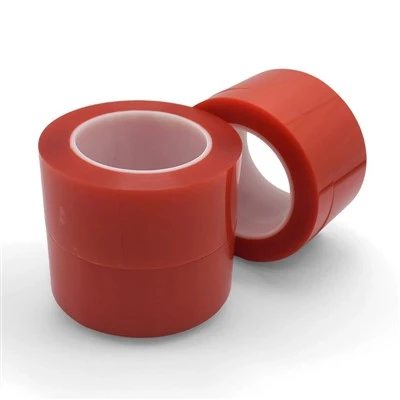
If you’re working on a project, big or small, and you’re looking for self adhesive aluminium tape that’s designed for simple, stress-free handling, we’d be happy to discuss your needs—whether you need a small roll for a DIY home repair, or bulk orders for a commercial construction project. We can talk through the right type for your job, answer any questions you have about handling, and make sure you get a product that works as hard as you do.
Self Adhesive Aluminium Tape References
- ASTM International. (2021). Standard Test Method for Tack Pressure-Sensitive Adhesives by Rolling Ball. ASTM D3121-21.
- Construction Specifications Institute. (2022). Handbook of Construction Finishes and Adhesives. Chapter 7: Joint Sealing for Metal Systems.
- National Fire Protection Association. (2020). NFPA 90A: Standard for the Installation of Air-Conditioning and Ventilating Systems. Section 8.3.2: Duct Sealing Materials.
- Journal of Adhesion Science and Technology. (2019). Flexible Metal Film Adhesives for HVAC and Insulation Applications, Vol. 33, No. 12, pp. 1245-1262.
- Occupational Safety and Health Administration. (2021). Safe Handling Practices for Pressure-Sensitive Adhesive Materials in Construction. OSHA 3670-06R-21.
Deqing Hongxin New Material Technology Co., Ltd.
As one of the most professional self adhesive aluminium tape manufacturers and suppliers in China, we also support customized service. Please feel free to wholesale high quality self adhesive aluminium tape in stock here from our factory. Welcome to contact us for quotation.
Address: No. 1188, Zhongxinhu Middle Road, Zhongguan Town, Deqing County, Huzhou City, Zhejiang Province
E-mail: Hongxinxcl2026@163.com
WebSite: https://www.hxnewmat.com/
