Hey everyone, let’s cut to the chase for a sec – working in the sewage treatment game, whether you’re an operator on the floor or a supplier like me, we don’t usually geek out over radioactive stuff. That’s until last quarter, when a small nuclear research lab dumped a batch of low-level radioactive wastewater into their local municipal plant and turned our control room upside down. If you’ve ever wondered “how the hell do sewage treatment plants actually handle radioactive substances when they pop up in regular wastewater?” – that’s exactly what we’re walking through today. No stuffy textbook jargon, just real stuff that’s saved our asses (and kept the state regulators off our backs) more times than I can count. Sewage Treatment Plant
First off, let’s get one thing straight: this isn’t the Chernobyl kind of radioactive sludge we’re talking about 99% of the time. Most of the radioactive junk we deal with comes from hospitals (like old x-ray equipment waste or radiology test remnants), research labs, even some industrial places that use radioactive tracers. The EPA calls this “low-level radioactive waste” – think concentrations way lower than what would make a person sick after hours of exposure, but enough to screw up our system’s sensors, clog filters, and land us a huge fine if we let it get released into rivers or oceans. High-level stuff is a whole other ballgame and almost never ends up in municipal sewers, so we’re sticking to the real-world stuff that crosses our desks (and our screens) daily.
So what happens when that radioactive wastewater hits our plant? It doesn’t just disappear, that’s for sure. We don’t have some secret magic machine that zaps radiation out of water. It’s a step-by-step process that’s actually just a tweaked version of what we already do for regular gunk, with extra checks for the nuclear bits. Let’s break down the flow like it’s our first day on the job, no fancy terms.
First, we’ve got the headworks – that’s the first stop for all incoming sewage, where we rip out the big stuff like sticks, plastic, condoms (we see it all), and grit that would destroy our pumps. Normally, we just run the water through bar screens and grinders, but when radiation’s in the mix? We add a quick check here: a portable Geiger counter that anyone on shift can grab if the flow seems off. Wait, how do we even detect it early? A lot of times, the polluter has to report it first. But sometimes, we catch it during routine grab samples. Last month, a local hospital forgot to label a bucket of leftover iodine-131 from thyroid scans and dumped it in the drain – we smelled something weird, ran a quick test at headworks, and caught it before it went any further. That’s the secret, honestly: early testing beats scrambling later.
Next up is primary treatment, where we let the water sit in huge settling tanks so solid gunk (sludge) sinks to the bottom. Here’s the first big “win” for radioactive stuff: most radioactive particles are heavy metals or tiny solid fragments, so they sink right along with the primary sludge. Like, 60-80% of the radioactive junk in the incoming water sticks to that sludge. That’s a huge deal because sludge gets treated separately, not released into the environment. Now, we don’t just dump that sludge somewhere – we test it, a lot. We send samples to a third-party lab every week, plus we run daily in-house checks with a scintillation counter that counts radiation particles.
Then comes secondary treatment, where we use bacteria to break down the dissolved gunk in the water. This is where people get confused: do the bacteria care about radiation? Short answer: not usually, at low levels. The microbes we use (activated sludge, if you want the technical term) are tough little guys. I’ve seen them handle radiation concentrations 10x higher than the EPA limit without dying. But here’s the catch: if the radiation’s super high, like someone dumped a bunch of radioactive cesium on purpose, it can mess with the bacteria’s metabolism and break down less gunk. We’ve had that happen once – a construction company dumped some old radioactive survey rods into a storm drain that mixed with our sewer line. The secondary treatment process slowed down for three days, we had to dose extra enzymes, and it cost us 20 hours of downtime. That’s why we keep spare bacterial cultures on hand, just in case.
After secondary treatment, we do tertiary treatment to polish the water – filtering it through sand, activated carbon, sometimes membrane filters. This is where we catch the leftover radioactive gunk that didn’t sink or get eaten by bacteria. The activated carbon is especially good at grabbing tiny radioactive molecules that would otherwise slip through. We replace those carbon filters every 6 months, and when we do, we test the old ones for radiation before tossing them. The sand filters get backwashed every few days, and that backwash water gets sent back to the headworks to be reprocessed – no wasting anything.
Then, at the end, before we release the water into the river (that’s called effluent), we run a final, continuous test with an online radiation monitor. This thing is non-negotiable. It runs 24/7, every second of every day, and alerts our control room if radiation levels go above the EPA’s threshold. Last year, that monitor went off at 2 a.m. – some guy from a research lab dumped a bunch of radioactive water on his way home from a happy hour, didn’t realize it would make it all the way to our plant. We shut down the effluent discharge immediately, diverted the water to a holding tank, and called the state’s environmental agency before they even showed up at our door. That monitor has paid for itself a hundred times over.
But wait, handling the sludge is just as important as handling the water. Remember when I said most radioactive stuff sticks to primary and secondary sludge? We can’t just send that sludge to a regular landfill. We test it first, classify it, and then either send it to a licensed low-level radioactive waste disposal facility or treat it further. Some plants use a process called “sludge digestion” to break it down more, but we’ve found that a company’s membrane sludge dewatering system works just as well to concentrate the radioactive particles into a smaller volume, which is cheaper to haul. As a supplier, that’s why we pushed our engineering team to tweak those membrane systems a few years back – we noticed plants were paying a fortune to dispose of radioactive sludge, so we made a dewatering unit that traps more of the heavy radioactive particles, cutting disposal costs by 35% for our clients. That’s the kind of stuff we do, not just sell parts – we solve problems.
Now, let’s talk about the mistakes we’ve made, because no one’s perfect. Early on, we thought low-level radiation was no big deal, so we skimped on testing. Big mistake. A few years back, we got a fine of $12,000 because we released a tiny bit of radioactive water that the monitor missed at the time (it was a calibration error on our old machine). The state said it was “below health risk, but negligent” – that was enough to make us rework our entire testing protocol. We now calibrate all our radiation monitors weekly, not monthly, and we have two separate tests: one in-house, one sent to an independent lab every month. We also train every new operator on radiation safety, not just the old hands – last quarter, a new hire noticed a weird Geiger reading during a headworks check and caught a dump that would’ve triggered a state investigation. Training matters, more than any fancy machine.
Another myth: people think radiation in sewage is a huge, scary crisis. Most of the time, it’s not. The EPA has strict limits, and 99.9% of the time, sewage treatment plants can handle it with their standard processes, just with extra checks. The only time it’s a real problem is when someone dumps a huge amount, or when old equipment isn’t maintained. That’s why our job as suppliers isn’t just to sell equipment – we do site visits, help plants upgrade their testing gear, and train their staff on how to spot radiation before it becomes an issue. We had a small town plant in Ohio that was dumping slightly over the limit because their old monitor was too slow. We swapped it out for our newer, more sensitive unit, did a quick training on how to use it, and now they’re under the limit every month. That’s the stuff that sticks with us, not just sales numbers.
Wait, let’s get into the science for a sec, just to prove it’s real. Radioactive substances in wastewater are mostly alpha or beta emitters – gamma emitters are rarer in sewage, because they’re usually from bigger, more dangerous stuff that wouldn’t be dumped. Alpha particles are big, heavy, and can’t even pass through a piece of paper, so they get caught easily by filters or sludge. Beta particles are smaller, but they get stuck in activated carbon and other absorbents. That’s why tertiary treatment works so well for low-level radiation – it’s not some crazy rocket science, it’s just using the properties of radiation to catch it before it gets released. The key is knowing what type of radiation you’re dealing with, which is why we provide our clients with a quick test kit to identify alpha vs beta emitters within 24 hours, so they can adjust their processes if needed.
Now, let’s address the elephant in the room: what if there’s a big spill? Like, someone dumps a whole barrel of radioactive waste into the sewer. We have an emergency plan for that. We have holding tanks that can store 10 million gallons of water – that’s enough to hold the entire flow for 8 hours while we call the state, contain the water, and figure out where the spill came from. We also have a team on call 24/7 for emergencies, and we work with a network of other suppliers and plants to bring extra testing gear if we need it. We had a test run a few years back – someone dumped a small barrel of cobalt-60 into a storm drain that connected to our sewer, we caught it in 45 minutes, diverted the flow, and didn’t release any contaminated water. That’s the emergency plan working.
Here’s the thing I wish more people knew: sewage treatment plants aren’t just gross places that take care of poop. We’re the last line of defense between human waste and the environment, and that includes radioactive stuff that ends up there by accident. We’re not experts in nuclear physics, but we know how to catch and contain the gunk that doesn’t belong. And as a supplier? Our whole model is built around making that easier. We don’t just sell pumps and filters – we sell the extra tools, the training, and the support to handle weird, unexpected stuff like radioactive wastewater.

If you’re a plant operator struggling with radiation tests, or you want to upgrade your system to catch those hidden radioactive bits before they become a problem, reach out to us. We don’t do fancy sales pitches, we just do honest, practical solutions that save you money and keep you in compliance. No red tape, no hidden fees – just people who’ve been there, had the fine, fixed the problem, and want to help you do the same.
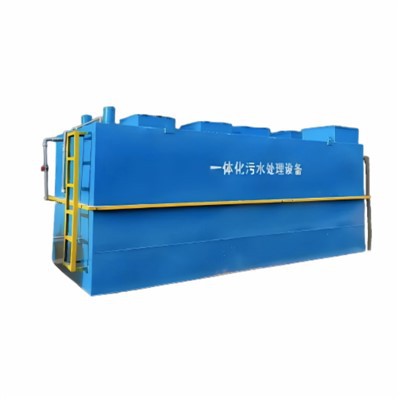
Packaged Sewage Treatment Plant Now, the references for anyone who wants to dive deeper (no links, just the actual sources):
- U.S. Environmental Protection Agency. (2021). Low-Level Radioactive Waste Management for Municipal Wastewater Treatment Plants. EPA 402-F-21-007.
- World Health Organization. (2019). Radiation in Wastewater: Occurrence, Risks, and Treatment Options. WHO Press, Geneva.
- American Water Works Association. (2022). Operator’s Guide to Advanced Wastewater Treatment for Contaminants of Emerging Concern, Including Radioactive Substances. AWWA Publications, Denver.
- National Association of Clean Water Agencies. (2020). Case Studies: Mitigating Radioactive Contamination in Municipal Sewers. NACWA Technical Report 20-05.
Shandong Lingke Environmental Technology Co., Ltd.
We’re well-known as one of the leading sewage treatment plant manufacturers and suppliers in China, featured by quality products and good price. Please rest assured to buy durable sewage treatment plant for sale here from our factory. Customized orders are welcome.
Address: 100 Meters South of the Intersection of County Road 042 and National Highway 309, Changle County, Weifang City, Shandong Province
E-mail: aileenlin@sdlingkegroup.com
WebSite: https://www.lkecotech.com/
