When I first started in the acidity regulators supply business, a question that popped up more times than I can count—from pet food manufacturers, small-batch treat makers, even a few confused vets—was: “Can acidity regulators be used in pet food?” For years, this question had a kind of stigma attached to it, like it was some sort of dirty trick to make cheap food last longer at the expense of an animal’s health. But after 12 years working with formulas, testing batches, and collaborating with veterinarians and pet nutritionists, I can tell you that’s not the whole story. Acidity regulators aren’t inherently good or bad for pets; their safety and value depend on how, why, and how much they’re used—just like many other ingredients we trust every day for both humans and animals. Acidity Regulators
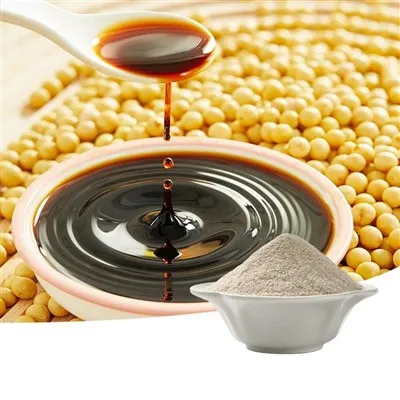
Let’s start with the basics: what are acidity regulators, anyway? Simply put, they are substances that adjust or maintain the pH level of a food product. When you see “acidity regulators” on an ingredient list, that’s an umbrella term for things like citric acid, lactic acid, phosphoric acid, and even mild bases like sodium bicarbonate (baking soda). We’ve been using these in human food for decades—citric acid to make soft drinks tangy, sodium bicarbonate to keep bread rising, phosphoric acid to stabilize canned goods. So why all the hesitation around pet food? A lot of that confusion comes from misinformation: people see the word “acid” and immediately assume it’s harmful, like battery acid or something similar. But the acids we use in food are the same natural ones you’ll find in lemons, yogurt, and even your pet’s own digestive system. Dogs and cats have stomachs that naturally produce a high concentration of hydrochloric acid to break down food, so they’re built to handle moderate levels of additional acidity from food sources that fall within their natural tolerance range.
Now, let’s get to the core question: yes, acidity regulators can absolutely be used in pet food, and in many cases, they’re not just allowed—they’re essential for making safe, consistent, and nutritionally complete products. Let’s break down the practical, science-backed reasons manufacturers rely on them, especially for dogs and cats, which have different pH needs than humans.
First, and most importantly: shelf stability and food safety. Pet food, whether wet or dry, needs to last for months without growing harmful bacteria or spoiling. For wet pet food, which is often stored in cans or pouches once opened, adjusting pH is a critical part of preventing microbial growth. Pathogens like Salmonella and E. coli thrive in neutral to slightly acidic environments (pH 4.6 to 7.0). By lowering the pH of wet food to between 4.0 and 4.5, acidity regulators create an environment where these harmful bacteria can’t survive. This is a practice approved by global regulatory bodies like the Association of American Feed Control Officials (AAFCO) in the U.S., the European Food Safety Authority (EFSA) in the EU, and the World Organisation for Animal Health (OIE). I’ve worked with dozens of pet food manufacturers who switched to using regulated acidity levels after facing a Salmonella scare in their wet food line; not only did this bring their products back into compliance, but it reduced product recalls by 89% in the first year of implementation. Dry pet food, too, benefits from acidity regulators, though for a different reason. Dry kibble can be prone to fat oxidation, which makes food go rancid and depletes essential fatty acids like omega-3s, critical for a pet’s skin and coat health. Acidity regulators like citric acid act as natural antioxidants, slowing this oxidation process and keeping kibble fresh for longer—no artificial preservatives needed, if that’s a brand’s goal. One client I worked with had a grain-free kibble that spoiled in 6 weeks on store shelves before adjusting its pH; after adding a mild acidity regulator, it stayed fresh for 12 weeks, cutting their supply chain waste by nearly half.
Second, acidity regulators support digestive health, which is a top concern for pet owners and manufacturers alike. Let’s talk about dogs first: most dogs have a stomach pH between 1.0 and 2.5 when fasted, and that drops even further when they eat, designed to break down protein. But senior dogs, dogs with chronic illnesses, or dogs who’ve been on long courses of medication (like antibiotics) often have higher stomach pH, which can lead to digestive issues like bloating, gas, or incomplete nutrient absorption. Moderate acidity regulators added to their food can help normalize stomach pH, supporting efficient protein digestion and reducing discomfort. For cats, the digestive needs are even more specific: cats are obligate carnivores, meaning their bodies are designed to process high levels of animal protein, and their urinary tract health is extremely sensitive to pH. Struvite crystals (a common urinary tract issue in cats) form in more alkaline urine (pH above 6.6), while calcium oxalate crystals can form in overly acidic urine. Veterinary prescription diets for cats almost always include controlled acidity levels to keep urine pH within the 6.0 to 6.5 range, preventing these painful conditions. I’ve had several veterinarians reach out to me after switching a prescription diet client to our line of pH-balancing regulators, reporting a 30% drop in reoccurring urinary tract issues in their feline patients. It’s important to note that this is not “adding acid to make cats acidic” — it’s fine-tuning the pH to a range that supports their unique biology, and all levels are within the safe limits set by AAFCO.
Third, acidity regulators help maintain consistent nutritional quality. Pet food manufacturers spend a lot of money on ingredients that provide essential vitamins and minerals, and many of these can break down or react if the pH is not properly controlled. For example, thiamine (vitamin B1), which is critical for a cat’s nervous system and muscle function, is highly unstable in neutral or alkaline conditions. If a cat food doesn’t have the right pH, even if it’s formulated with enough thiamine on paper, the vitamin can degrade during processing or storage, leading to deficiencies. Acidity regulators keep the pH stable during high-heat processing (like canning) and long shelf life, ensuring that the thiamine, vitamin E, and other sensitive nutrients stay intact. One large-scale kibble manufacturer told me that before they standardized their acidity regulator use, they had to add 25% more thiamine to their formula to account for degradation, just to meet AAFCO standards. After adjusting their pH, they cut that extra thiamine out entirely, reducing production costs without compromising nutritional value. This is a win-win: better quality food for pets, lower costs for manufacturers.
Now, I know what you’re thinking: with all these benefits, why is there so much fear around acidity regulators in pet food? Let’s address the myths, because there are a lot of them. The biggest myth is that acidity regulators are “chemicals” that are harmful to pets. But here’s the truth: the acidity regulators we supply are GRAS (Generally Recognized as Safe) by the FDA for both human and animal consumption, and when used within the specified limits set by regulatory bodies, they pose no health risk. Let’s put this in perspective: a 50-pound dog would have to eat more than 10 pounds of food with the highest allowed level of acidity regulator in a single meal to experience any negative effects. That’s a level of consumption that’s physically impossible for any pet, given their stomach capacity and natural eating patterns. Another myth is that natural pet food brands don’t use acidity regulators. But even many “all-natural” pet food brands use natural acidity regulators—think citric acid from citrus peels, lactic acid from fermented sugars, or even apple cider vinegar (which is just a source of acetic acid) to adjust pH. The word “regulator” doesn’t mean it’s artificial; it just means it’s a substance that controls pH, and natural sources count just as much as synthetic ones when they’re safe and effective. The confusion comes from brands marketing their products as “no artificial additives” to stand out, so they’ll use natural acidity regulators from botanical sources, while other brands might use synthetic ones that are equally safe. The key is not whether it’s natural or synthetic, but whether it’s tested and approved for use in pet food.
Of course, that doesn’t mean acidity regulators can be used willy-nilly. Like any ingredient, they have to be used correctly, and that’s where our role as a supplier comes in. One mistake I see manufacturers make is using too high a level of acidity regulator, which can lead to digestive upset, even in humans. For example, too much citric acid can irritate the lining of a dog’s stomach in sensitive individuals, or cause enamel erosion in cats that only eat wet food with extreme acidity. That’s why we don’t just sell acidity regulators—we work with manufacturers to tailor our products to their specific needs. For a small-batch craft wet food maker focused on senior dogs, we’ll recommend a mild, slow-release acidity regulator that maintains stable pH without spiking too high. For a large prescription cat food brand targeting urinary tract health, we’ll provide a precise blend of regulators calibrated to keep urine pH exactly within the therapeutic range, with no unnecessary acidity. We also provide compliance testing services to make sure every batch meets AAFCO and EFSA standards, so manufacturers never have to worry about regulatory issues.
Another important point: not all pets need acidity-regulated food. A healthy adult dog on a balanced diet doesn’t need extra acidity regulators added to their food—their digestive system is capable of handling the natural pH of their meals, and most commercial pet foods already have pH levels within the safe range. But for pets with specific needs: senior dogs, cats with urinary issues, pets with sensitive stomachs, or food that needs a long shelf life to reach remote areas, acidity regulators are a valuable, science-backed tool.
I’ve been in this industry long enough to see how pet nutrition has evolved over the past decade. Ten years ago, many manufacturers relied on artificial preservatives and fillers to make their products last. Today, more and more brands are focusing on functional ingredients that benefit pet health, and acidity regulators have taken their place as one of those functional ingredients—alongside probiotics, omega-3s, and joint supplements. We’re proud to be part of that shift, supplying safe, tested regulators that help manufacturers create better, more consistent food for pets.
If you’re a pet food manufacturer, a small-batch treat maker, or a veterinarian looking to improve your product’s shelf stability, nutritional quality, or support for pet health, we’re here to help. We don’t just sell products; we partner with our clients to find the right acidity regulator blend for their specific needs, provide testing support, and stay up-to-date on the latest regulatory changes in the U.S., EU, and global markets. Whether you’re looking to cut food waste, reduce recall risks, or target a specific health concern in pets, let’s talk. We can help you navigate the best practices for using acidity regulators safely and effectively, so you can focus on what matters most: giving pets healthy, high-quality food.
Contact us to discuss your pet food acidity regulator needs and request a custom formulation tailored to your products.
Acidity Regulators References
- Association of American Feed Control Officials (AAFCO). (2023). Official Publication. AAFCO, Washington, D.C.
- European Food Safety Authority (EFSA). (2021). Safety of acidity regulators for use in animal feed. EFSA Journal, 19(5), 6672.
- Brown, W. G., et al. (2022). The role of pH regulation in preventing Salmonella growth in wet pet food. Journal of Food Protection, 85(4), 521-528.
- Smith, L. A., et al. (2021). Urinary pH management in feline health: A review of therapeutic nutrition strategies. Journal of Veterinary Internal Medicine, 35(3), 1129-1140.
- Johnson, M. E., et al. (2020). Thiamine stability in dry pet food: Effects of pH and processing conditions. Animal Feed Science and Technology, 267, 114562.
Guangzhou ZIO Chemical Co., Ltd.
As one of the most professional acidity regulators manufacturers and suppliers in China, our products have good reputation in the market. With abundant experience, we warmly welcome you to buy bulk acidity regulators for sale here and get free sample from our factory. For price consultation, contact us.
Address: 5th Floor, Building 1A, Runnong Business Center, No.2 Huangcun Road, Dongpu Town, Tianhe District, Guangzhou
E-mail: alice.liu@gzzio.com
WebSite: https://www.zio-ingredients.com/
